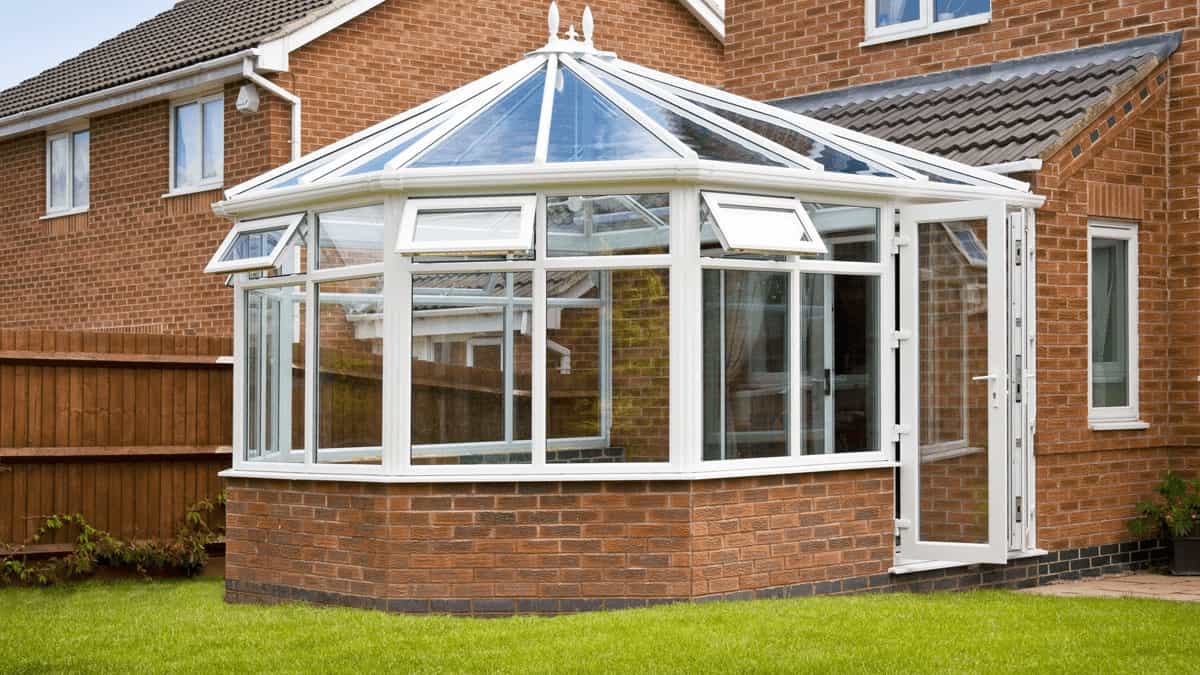
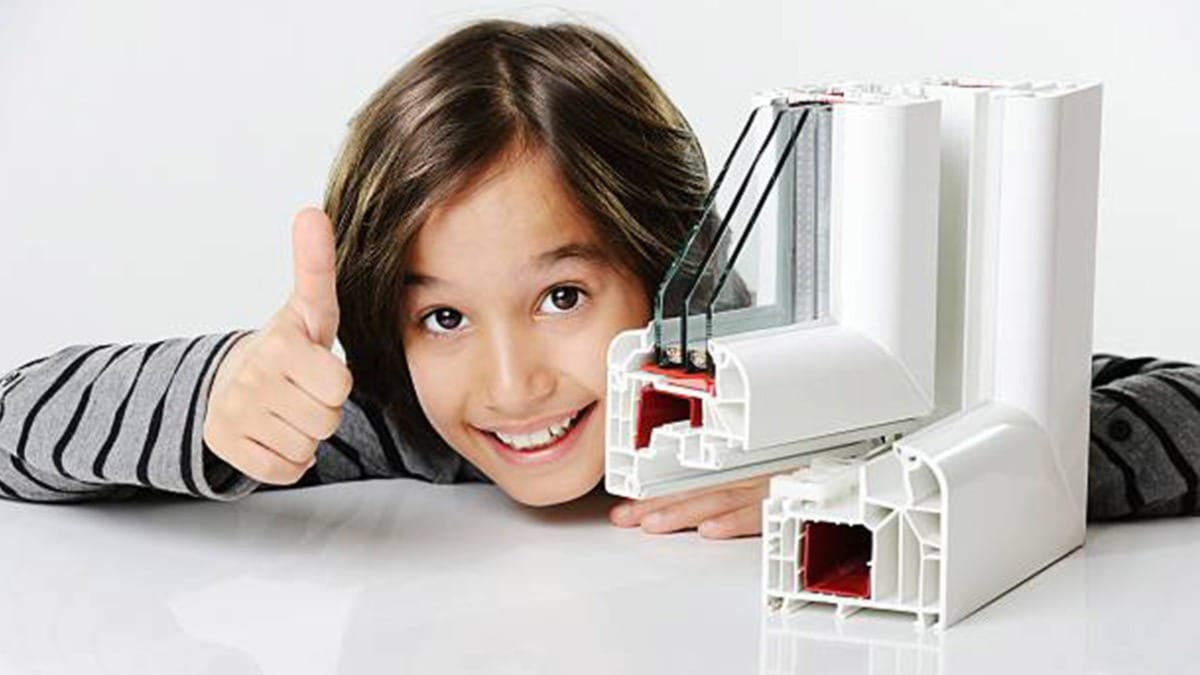
uPVC (unplasticized polyvinyl chloride) windows and doors are a superb investment for any home, celebrated for their durability, energy efficiency, and low maintenance. However, “low maintenance” doesn’t mean “no maintenance.” To ensure they operate smoothly, remain energy-efficient, and look great for decades, a consistent and correct care routine is essential. This practical guide goes beyond the basics, offering actionable dos and don’ts to protect your investment.
The Dos of uPVC Maintenance:
Proactive Care for Longevity
1. Smart Cleaning: Gentle and Effective
Why it matters: Harsh cleaning can permanently damage the protective finish, leading to dullness and a chalky appearance.
- Frequency: Perform a thorough clean twice a year (spring and autumn). Wipe down handles and sills with a damp cloth monthly to prevent grime buildup.
- The Perfect Solution: Use a few drops of pH-neutral dish soap in a bucket of lukewarm water. Never use hot water, as it can warp the uPVC.
- For Stubborn Stains: A diluted white vinegar solution (1 part vinegar to 10 parts water) is effective. Always rinse thoroughly with clean water afterward to prevent acid residue.
- Tools are Key: Use a soft microfibre cloth, sponge, or a soft-bristled brush for recessed areas. Always work in sections, wiping in the direction of the profile’s grain.
Pro Tip: Rinse frames with clean water before applying any cleaning solution. This removes abrasive surface grit. Dry completely with a clean, lint-free cloth to prevent water spots.
2. Strategic Lubrication for Smooth Operation
Why it matters: Dirt and grit in moving parts cause wear and tear, leading to stiffness and eventual mechanism failure.
- Use the Right Product: A silicone-based lubricant is ideal. It doesn’t attract dust and dirt like petroleum-based oils or grease.
- Application: Apply sparingly to hinges, locks, and espagnolette mechanisms (the gear that moves the locking points when you turn the handle). Wipe away any excess.
- Frequency: Lubricate once a year or if you notice any stiffness in operation.
For more on troubleshooting mechanisms, see our guide: How to Open a uPVC Door When the Mechanism is Broken.
3. Proactive Inspection and Seals Maintenance
Why it matters: The rubber gaskets and weather seals are the unsung heroes that keep out drafts, water, and noise. When they fail, your energy bills rise.
- Inspect Seals Quarterly: Run your finger along the rubber seals. They should be supple, not brittle or cracked.
- Cleaning Seals: Wipe them with the same mild soapy solution and a soft cloth to preserve their elasticity.
- Check for Gaps: Look for any visible gaps between the frame and the opening. If you find drafts, the seals likely need replacement—a relatively simple and cost-effective job.
Learn about the importance of weatherproofing, especially in harsh climates: Protecting Your uPVC Door & Window from Coastal Salt, Humidity, and UV.
4. Protecting Your Investment from the Elements
Why it matters: Proactive protection prevents costly repairs and premature aging.
- During Renovations: Cover uPVC fixtures with dust sheets. For painting, use low-tack masking tape on frames to protect them from splatters.
- From the Sun: If possible, use awnings or plant deciduous trees to provide shade, which helps prevent potential long-term fading. Modern uPVC is UV-stabilized, but extra protection never hurts.
- In Storms: Ensure all windows and doors are securely closed and locked to prevent them from being caught by strong winds and damaged.
Discover how uPVC stands up to intense sun: Protecting Your uPVC Door & Window from Summer Sun Damage.
The Don’ts of uPVC Maintenance:
Avoid Costly Mistakes
1. NEVER Use Abrasive Cleaners or Tools
- Avoid: Scouring pads, wire wool, abrasive powders, or harsh chemicals (like bleach, acetone, or nail polish remover).
- The Consequence: These will permanently scratch and dull the glossy surface of the uPVC, creating micro-grooves where dirt will easily accumulate in the future.
2. DON’T Clean with Force or Pressure Washers
- Avoid: Scrubbing aggressively or using a high-pressure washer. The intense pressure can force water past the seals, damage the protective finish, and even compromise the integrity of the weather seals.
- The Consequence: Water ingress, damaged seals, and a stripped surface finish.
3. DON’T Neglect Minor Issues
A small problem left unchecked can become a major, expensive repair.
- Stiff Handle? Lubricate it.
- Minor Scratch? A uPVC repair paste can often fix it.
- Small Draft? Investigate the seals.
Ignoring these signs leads to broken mechanisms, degraded energy efficiency, and a shorter lifespan for your products. For a deeper dive, read: Common Problems in uPVC Windows and How to Fix Them.
4. DON’T Overlook Professional Help for Critical Issues
While DIY is great for maintenance, some problems require a professional touch. Call an expert if you notice:
- Persistent drafts you can’t fix with new seals.
- Condensation between the panes of double or triple glazing (a sign the seal on the glass unit has failed).
- A warped or dropped door that won’t close properly.
- Difficulty locking multiple points on a door or window.
Getting a professional diagnosis ensures the job is done right and preserves your warranty. Understand the costs involved: uPVC Doors and Windows Repairs & Installation Cost – Switzerland.
Final Wrap: Consistency is Key
Caring for your uPVC windows and doors isn’t time-consuming, but it is deliberate. By incorporating these simple, practical dos and don’ts into your home maintenance schedule, you protect the aesthetics, functionality, and efficiency of your fixtures. This proactive approach not only saves you money on energy bills and future repairs but also ensures your home remains comfortable, quiet, and valuable for years to come.
For more insights on maximizing performance, see our guide: How uPVC Windows and Doors Improve Home Energy Efficiency and Comfort.