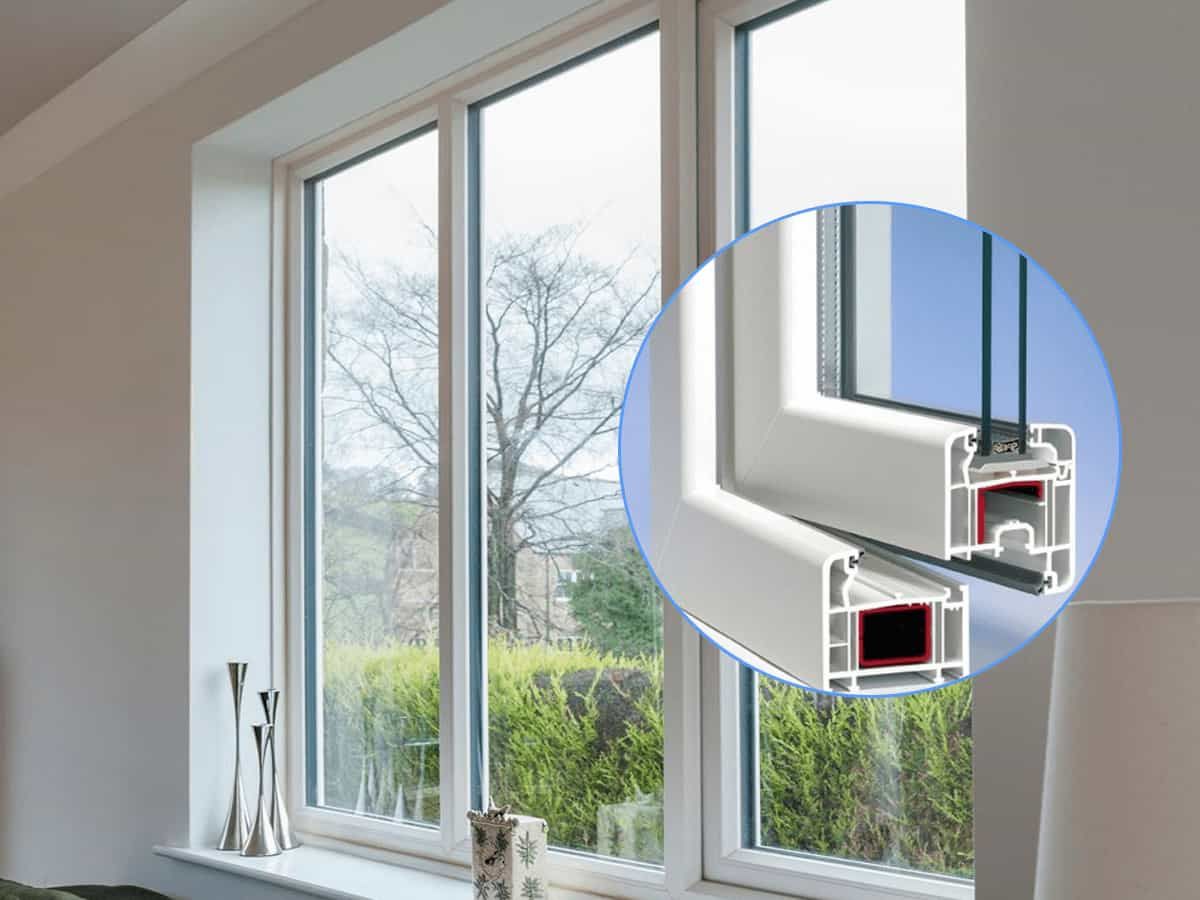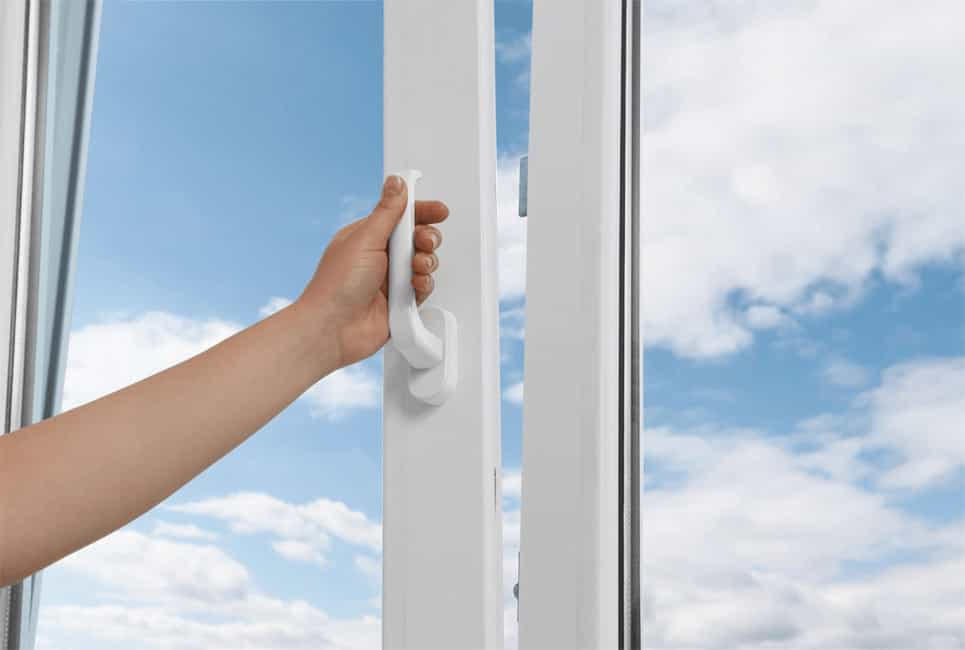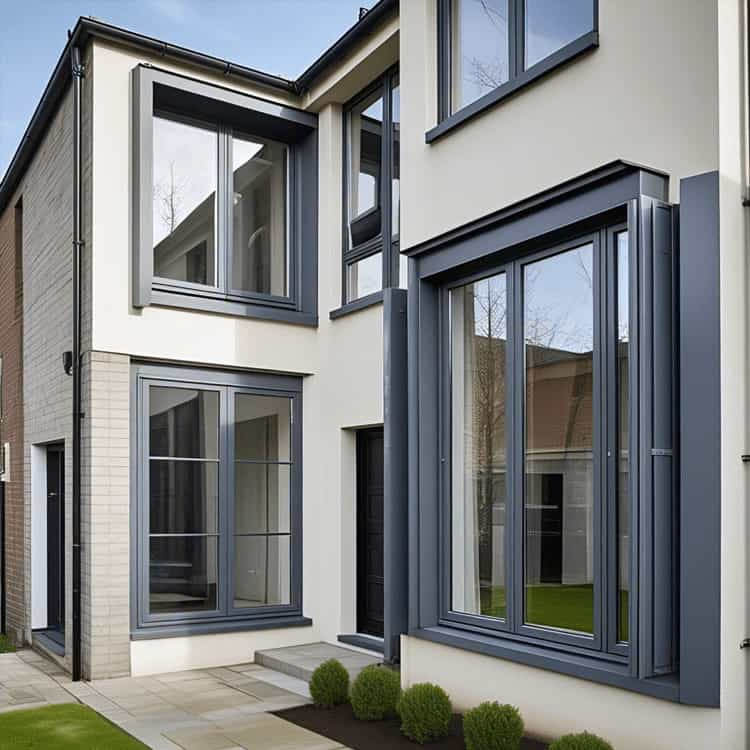
When it comes to selecting windows for energy efficiency, understanding the options available is important. Low-E glass, combined with various types of glazing (single, double, and triple), plays a significant role in how well your windows perform in terms of insulation, energy savings, and noise reduction. Additionally, the choice of framing material, such as uPVC (unplasticized polyvinyl chloride), is a key factor in the overall efficiency of your windows.
This guide provides an in-depth look at the different glazing types, Low-E glass technologies, and how they work with uPVC frames to provide the best results for your home.
What is Low-E Glass?
Understanding Low-E Technology
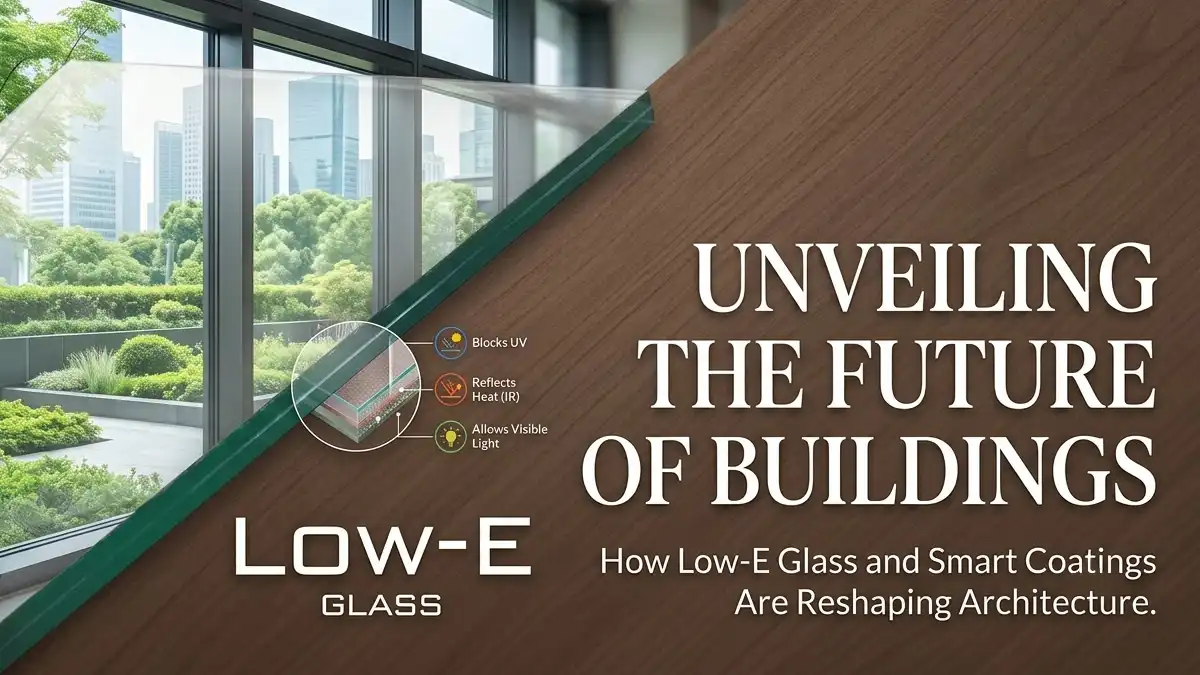
Low-E (Low Emissivity) glass is a type of energy-efficient window glass coated with a microscopically thin layer that reflects infrared(IR) light while allowing visible light to pass through. This coating helps regulate the amount of heat that enters or escapes from a home.
KEY TAKEAWAY
- Low-E glass essentially works by reflecting heat back into your home during colder months and deflecting heat away in warmer months.
- The specialized coating blocks harmful UV rays, protecting furniture and fabrics from fading while maintaining natural light.
Types of Low-E Coatings
There are two main types of Low-E coatings used in modern windows:
ADVANTAGES
- ✓ Highly durable and resistant to scratches or wear.
- ✓ Applied during the manufacturing process while the glass is hot.
- ✓ Allows more solar heat gain—ideal for colder climates.
LIMITATIONS
- ✕ Provides a lower overall level of energy insulation compared to soft-coat options.
- ✕ Not optimal for hot climates where keeping solar heat out is a priority.
SOFT COAT (SPUTTERED) COATING
- High Energy Efficiency: Applied after the glass is manufactured, offering superior thermal performance.
- Cooler Interiors: Delivers a lower Solar Heat Gain Coefficient (SHGC), reflecting infrared heat away in hot climates.
- Handling Note: The coating is more delicate and requires precise handling during window assembly.
Glazing Types with uPVC Frames
[\] Single Glazed Windows
Single Glazing Performance
- ✓ Standard U-Value: ~5.0 W/m²K (Low insulation performance)
- ✓ With Low-E Coating: Improvs U-value to ~4.0 W/m²K
- ✓ Best suited for mild climates or strict budget-conscious projects
- ✓ Provides minimal external noise reduction and a higher risk of condensation build-up
[\\] Double Glazed Windows
Double Glazing Performance
- ✓ Standard U-Value: ~1.1–1.4 W/m²K | With Low-E Coating: ~0.9–1.1 W/m²K
- ✓ Incorporates Argon Gas between the glass panes to significantly minimize heat conduction
- ✓ Delivers an optimal balance of cost and performance for most regional climates
- ✓ Provides 30–50% energy savings and moderate noise reduction over single glazing
[\\\] Triple Glazed Windows
Triple Glazing Performance
- ✓ Superior U-Value: ~0.6–0.8 W/m²K (With Low-E coatings)
- ✓ Dual Gas Fill: Features argon or krypton gas spaces for maximum thermal resistance
- ✓ Dual Low-E Coatings: Reflects indoor and outdoor heat highly effectively
- ✓ Provides 60%+ energy savings and excellent soundproofing (up to 50 dB attenuation)
- ✓ Note: Higher upfront cost and weight; requires reinforced uPVC frames
Key Factors Influencing Window Performance
Climate Considerations
- Cold Climates: Triple or double glazing with high Solar Heat Gain Coefficient (SHGC) Low-E coatings is ideal for retaining warmth.
- Hot Climates: Double glazing with low SHGC Low-E coatings helps to keep the heat out and maintain a cooler indoor environment.
Budget and Investment
- Single Glazing: The most affordable but offers the least insulation. Ideal for budget-conscious projects.
- Double Glazing: Offers an excellent balance of cost and energy efficiency.
- Triple Glazing: The most expensive but provides the best insulation and noise reduction, especially for homes in extreme climates.
Noise Reduction
- Triple Glazing: Offers the best soundproofing, reducing external noise by up to 50 dB, making it perfect for homes in noisy urban areas.
Light Transmission
- Soft-Coat Low-E Glass: May slightly reduce visible light transmission but increases energy efficiency, making it a good choice for climates where heat gain needs to be minimized.
Energy Efficiency Results and Benefits
Energy Savings
- Double Glazed Windows: Can save 30–50% on energy bills compared to single glazing.
- Triple Glazed Windows: Provide savings of 60% or more, especially in regions with extreme climates.
Comfort and Temperature Control
Low-E glass, combined with double or triple glazing, helps maintain stable indoor temperatures by preventing heat loss in winter and heat gain in summer.
Condensation Control
The inner surface of Low-E glass remains warmer than conventional glass, reducing the likelihood of condensation buildup on Windows, which can lead to mould and moisture damage.
Noise Reduction
Triple glazing provides the highest level of noise insulation, making it ideal for homes near highways, airports, or in urban environments with high external noise levels.
Environmental Impact
By improving energy efficiency, Low-E glass and multi-glazed windows help reduce the need for heating and cooling, leading to lower carbon emissions and a smaller environmental footprint.
Increased Property Value
Energy-efficient windows can increase the market value of your property, appealing to environmentally-conscious buyers.
Considerations When Choosing Glazing and Frames
Cost vs. Long-Term Payback
While triple glazing has a higher upfront cost, it provides long-term savings through energy efficiency. Double glazing offers a more budget-friendly option with significant energy savings.
Frame Design and Structural Integrity
When choosing triple glazing, ensure that your uPVC frames are reinforced to support the additional weight. Frames must be durable enough to accommodate the thicker glazing.
Solar Orientation and SHGC (Solar Heat Gain Coefficient)
The orientation of your windows plays a significant role in determining the effectiveness of Low-E glass coatings. South-facing windows in colder climates benefit from higher SHGC Low-E coatings, while those in hotter climates should use coatings with lower SHGC to minimize solar heat gain.
FAQs
How does Low-E Glass work?
Low-E glass reflects infrared heat while allowing visible light to pass through, helping to maintain a stable indoor temperature by reflecting heat back in winter and blocking it in summer.
Which glazing type is best for energy efficiency?
Triple glazing combined with Low-E glass offers the highest energy efficiency, followed by double glazing. Single glazing is less efficient but suitable for mild climates.
How do uPVC frames affect window performance?
uPVC frames provide excellent insulation and complement Low-E glass by reducing thermal bridging, which minimizes heat loss and improves overall window performance.
What is the difference between hard-coat and soft-coat Low-E glass?
Hard-coat Low-E glass is more durable and ideal for colder climates, while soft-coat Low-E glass is more efficient and best suited for hot climates.
Can triple glazing reduce noise effectively?
Yes, triple glazing provides superior noise reduction, making it an excellent choice for homes located in noisy areas.
What maintenance do Low-E glass windows require?
Low-E glass windows require minimal maintenance. Regular cleaning with mild detergent and water is typically sufficient to maintain their efficiency and appearance.
Choosing the right glazing and frame combination is essential for improving your home’s energy efficiency, comfort, and overall value. Low-E glass, along with single, double, or triple glazing, offers significant benefits depending on your climate and budget. Paired with uPVC frames, these technologies provide enhanced insulation, noise reduction, and long-term savings on energy bills. Whether you’re in a cold or hot climate, selecting the right glazing option will ensure your home remains comfortable year-round, while reducing your carbon footprint and energy costs.