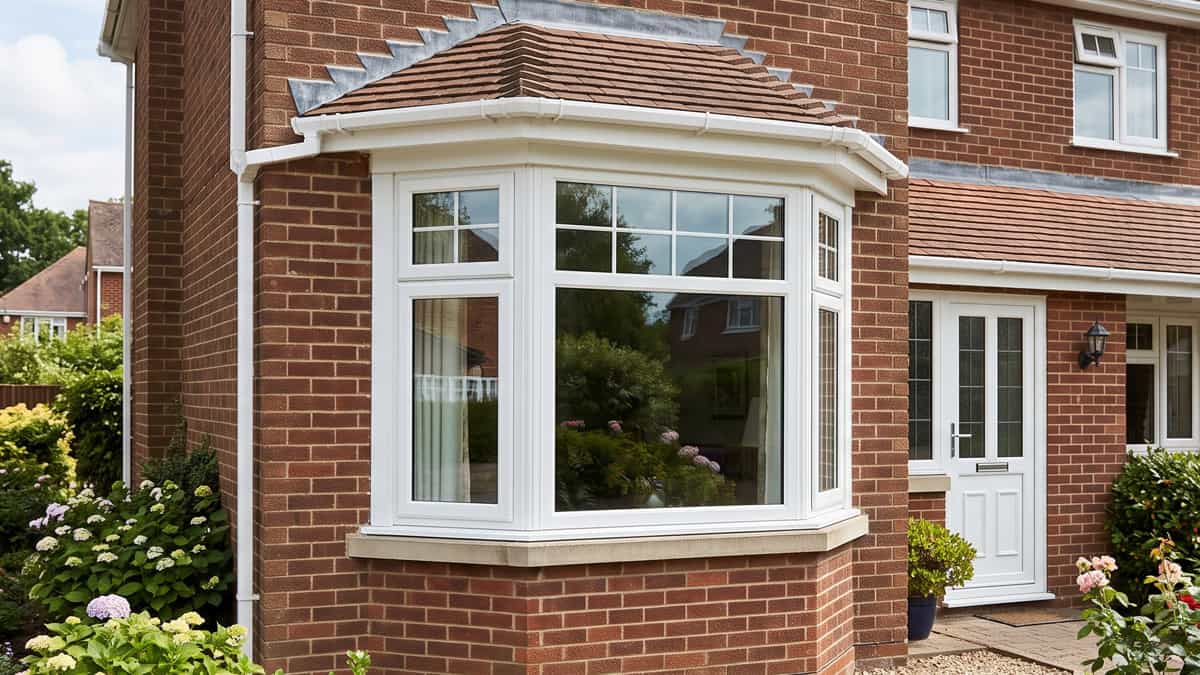
Bay windows are not normally made from one single window. They are created by combining several window sections that project outwards from the external wall of a property. A typical bay may have a fixed central window with opening windows on either side, although the exact arrangement depends on the size, shape and design of the bay.
So, what windows are used for bay windows? uPVC windows can be made in different styles and configurations for bay and bow window designs. Their low maintenance requirements, weather resistance, thermal performance and compatibility with double glazing make uPVC a popular choice for homes across the UK.
Can uPVC Windows Be Used for Bay Windows?
Yes. uPVC window systems can be designed for bay window applications, including fixed and opening sections positioned at different angles. The appropriate system depends on the shape of the bay, the required window configuration, the available space and the glazing specification.
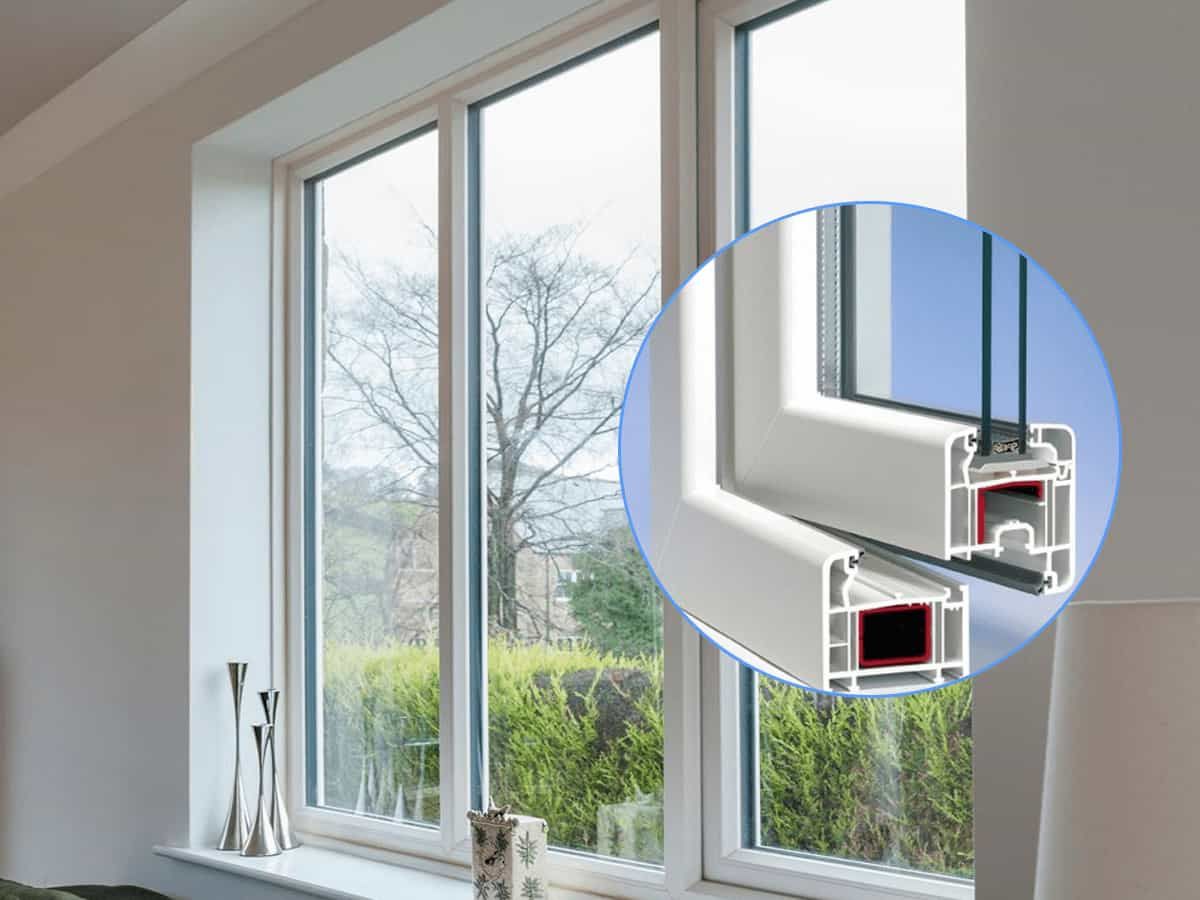
One of the main reasons uPVC is widely used for residential windows is its combination of thermal performance, durability and relatively low maintenance. Modern uPVC frames are available in a range of styles and finishes, allowing bay windows to suit both traditional and contemporary properties.
For homeowners replacing older timber or uPVC bay windows, a new uPVC system can also provide an opportunity to improve glazing, draught resistance, security and overall energy performance.
uPVC Window Options for Bay Windows
A bay window can combine different types of window depending on how much ventilation, natural light and opening space is required. The following are some of the common options available for uPVC bay window designs.
1. Fixed uPVC Windows
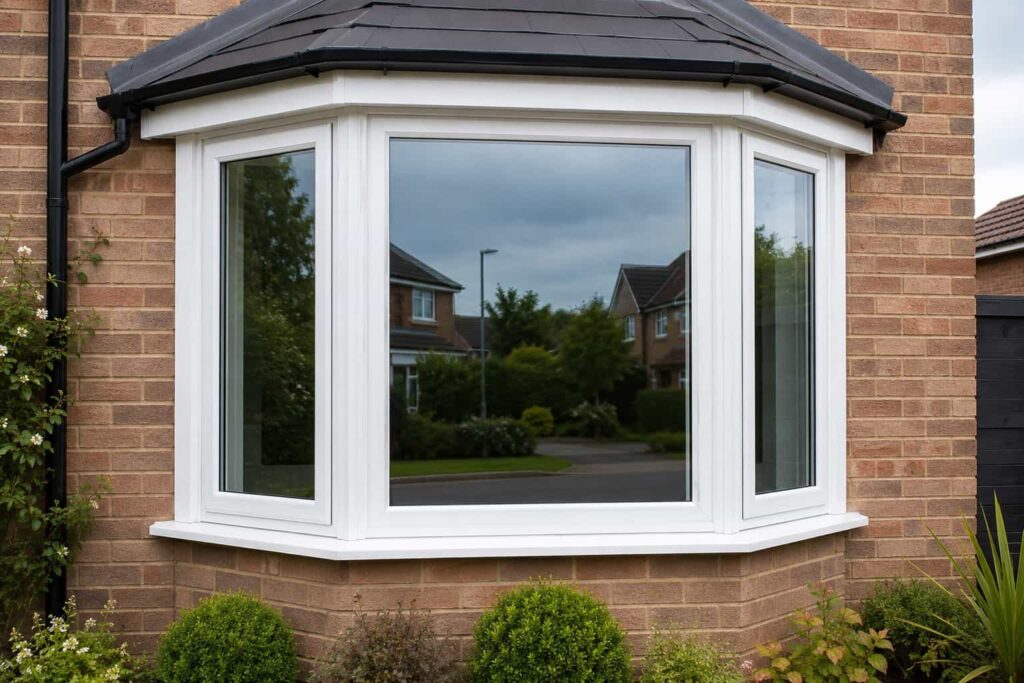
Fixed windows do not open and are often used where the main purpose is to provide natural light and an uninterrupted view. A large fixed central window can form the main section of a bay while opening windows are used on the sides.
2. uPVC Casement Windows
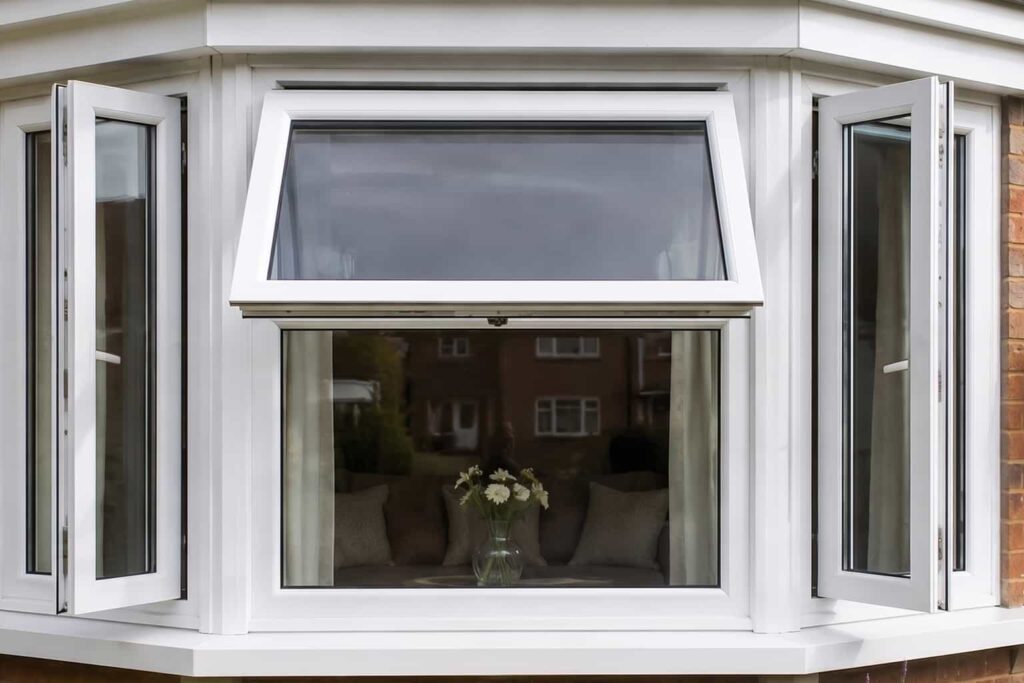
Casement windows are one of the most common window styles in UK homes. They are hinged and open outwards, making them suitable for many side sections of a bay window. They can provide useful ventilation while maintaining a familiar appearance.
3. Tilt and Turn uPVC Windows
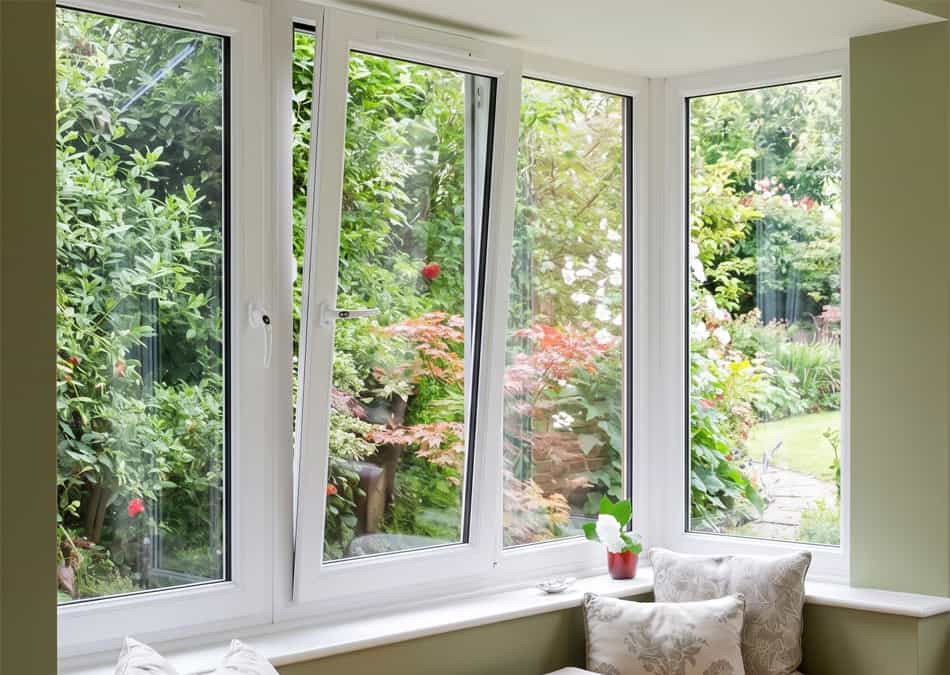
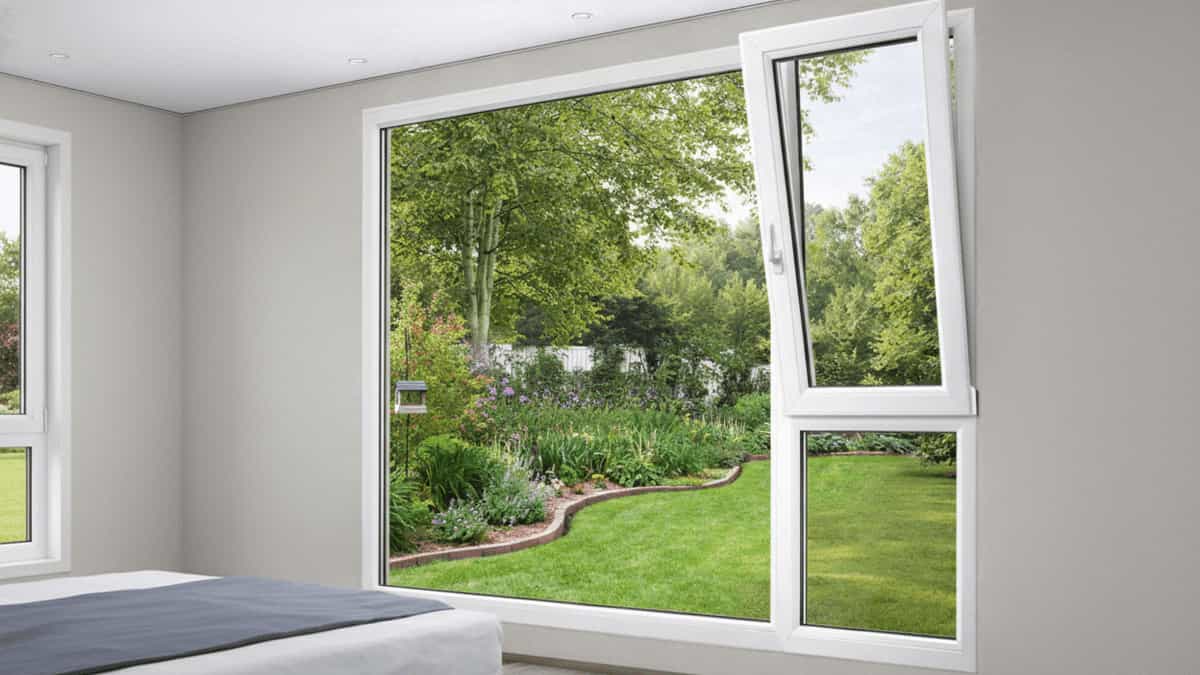
Tilt and turn windows provide two opening positions. They can tilt inwards for ventilation or open more fully when required. Whether they are suitable for a particular bay depends on the available space and the design of the window system.
4. uPVC Awning Windows
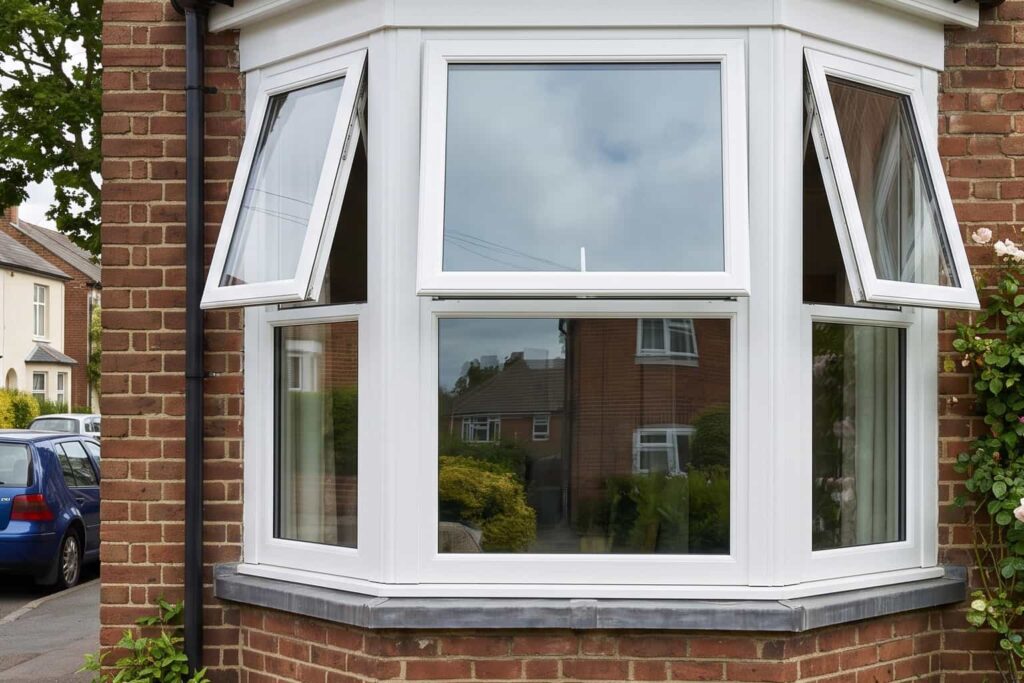
Awning windows are hinged at the top and open outward from the bottom. They can provide ventilation while helping to keep some rain out when slightly open, making them suitable for selected bay window configurations. Their suitability depends on the available space, window dimensions and the overall design of the bay.
uPVC Bay Window Configurations
The shape of the bay determines how its individual window sections are positioned. A common three-sided bay has a central section with two angled side sections. Larger bays may contain additional sections and different angles depending on the property.
A bow window is different from a typical bay because it normally uses several window sections arranged to create a smoother curved appearance. Both bay and bow designs can be manufactured using uPVC window systems, although the available configurations depend on the supplier and the window system being used.
Because bay windows are made up of several connected sections, accurate measurements and the correct angles are particularly important when ordering replacement or new uPVC windows.
Double Glazing for uPVC Bay Windows
Glazing plays an important role in the performance of a bay window because the large glazed area can influence heat loss, comfort and condensation. A double glazed window uses two panes of glass separated by an insulating space, providing better thermal performance than traditional single glazing.
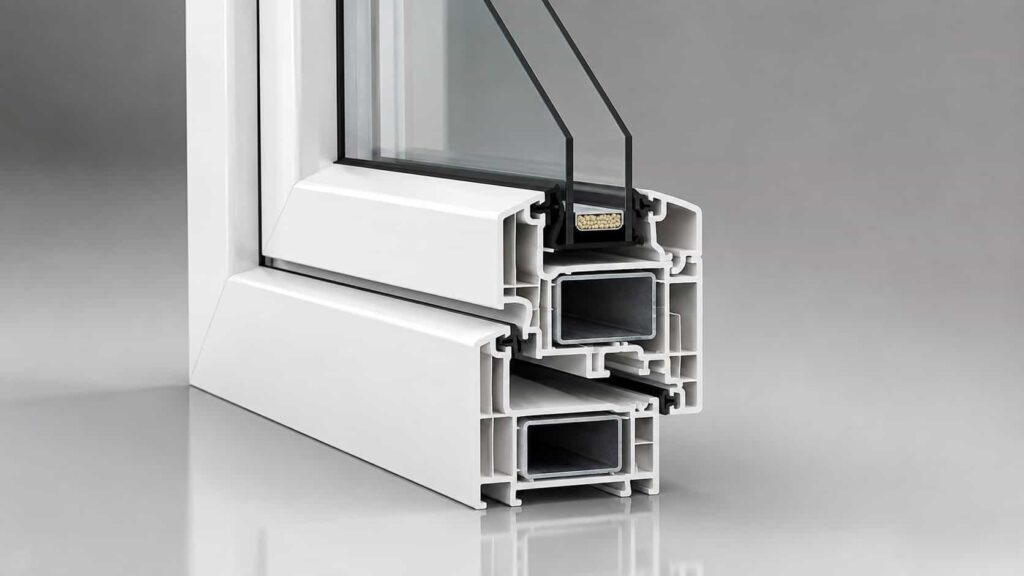
When choosing a double glazing window for a uPVC bay, the glass and frame should be considered together. Modern uPVC frames combined with suitable double glazing can help reduce heat transfer and draughts while improving the comfort of rooms next to the bay.
The phrase double glazed double window can also appear in searches, although it may refer to different arrangements depending on the supplier. It is therefore worth checking the exact specification rather than relying on the terminology alone.
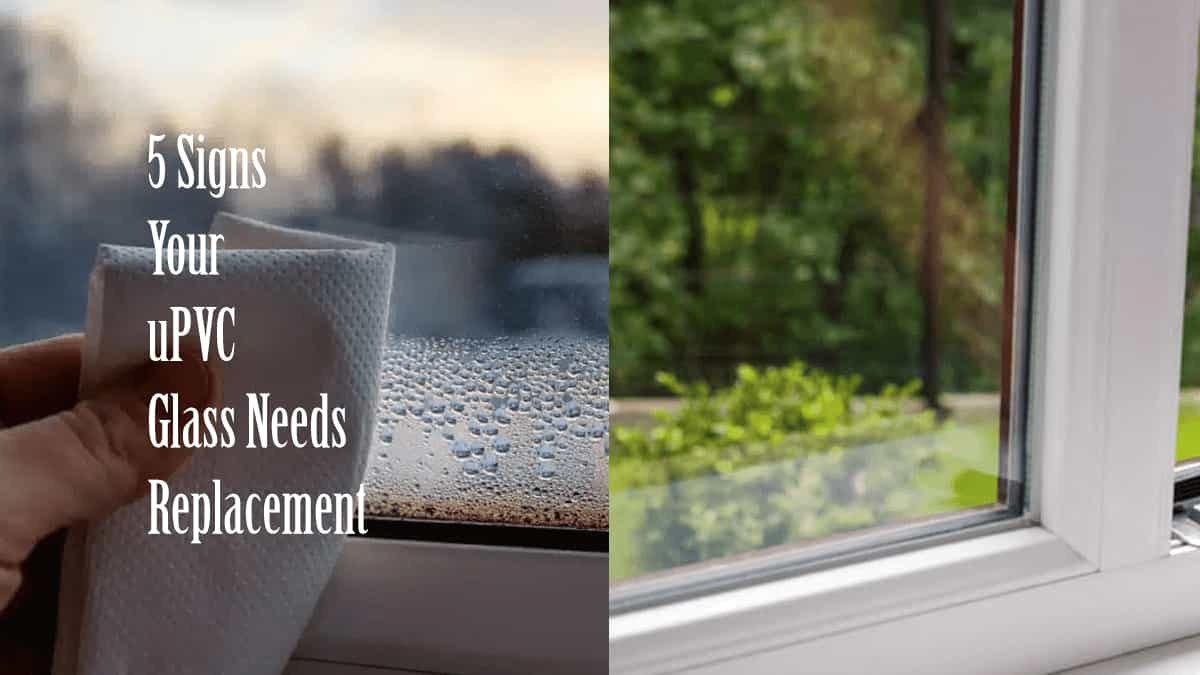
Double glazing can also provide benefits beyond thermal insulation. The right glass specification can help reduce outside noise, improve comfort and reduce the likelihood of internal condensation. For UK homes, the appropriate glazing should be selected according to the property, room, orientation and required performance.
What to Consider When Choosing uPVC Windows for a Bay Window
Choosing windows for a bay requires more planning than replacing a standard rectangular window because several sections need to work together. Before ordering uPVC bay windows, consider the following:
- Bay angle: Check the exact angle between each window section.
- Window style: Decide which sections should be fixed and which should open.
- Measurements: Confirm the width, height and depth of the existing opening.
- Glazing: Choose an appropriate double glazing specification for the property.
- Thermal performance: Consider the overall frame and glazing performance rather than looking at either component alone.
- Drainage: Make sure the sill and frame arrangement can manage rainwater correctly.
- Colour and finish: uPVC windows are available in white and a range of coloured, wood-effect and other finishes.
- Security: Check the locking and hardware specification, particularly for accessible ground-floor windows.
- Installation: Accurate fitting is essential for weather sealing, operation and long-term performance.
The architectural style of the property should also be considered. White uPVC may suit a traditional home, while coloured or wood-effect finishes can be used where a different appearance is required.
uPVC Bay Windows for Replacement Projects
Replacing an old bay window can improve the appearance and performance of a property. Replacement uPVC windows may be used to update older single-glazed, timber or outdated uPVC units while retaining the basic bay arrangement.
However, replacement bay windows should be measured for the actual opening rather than ordered simply from the dimensions of the old glass. The condition of the surrounding structure, bay angles, sill, drainage, frame connections and glazing requirements should all be checked before the new windows are manufactured.
In older UK properties, it can also be important to consider how the replacement windows will look alongside the existing brickwork, render and architectural details.
Choosing the Right Windows for Bay Windows
There is no single window style that is right for every bay. The best combination depends on the shape of the bay, ventilation requirements, available space, glazing, thermal performance and the appearance of the property.
uPVC windows offer a practical option for many UK bay and bow window designs, particularly where low maintenance, weather resistance, thermal performance and double glazing are important. With accurate measurements, the right configuration and professional installation, a uPVC bay window can provide natural light, ventilation, comfort and long-term performance.