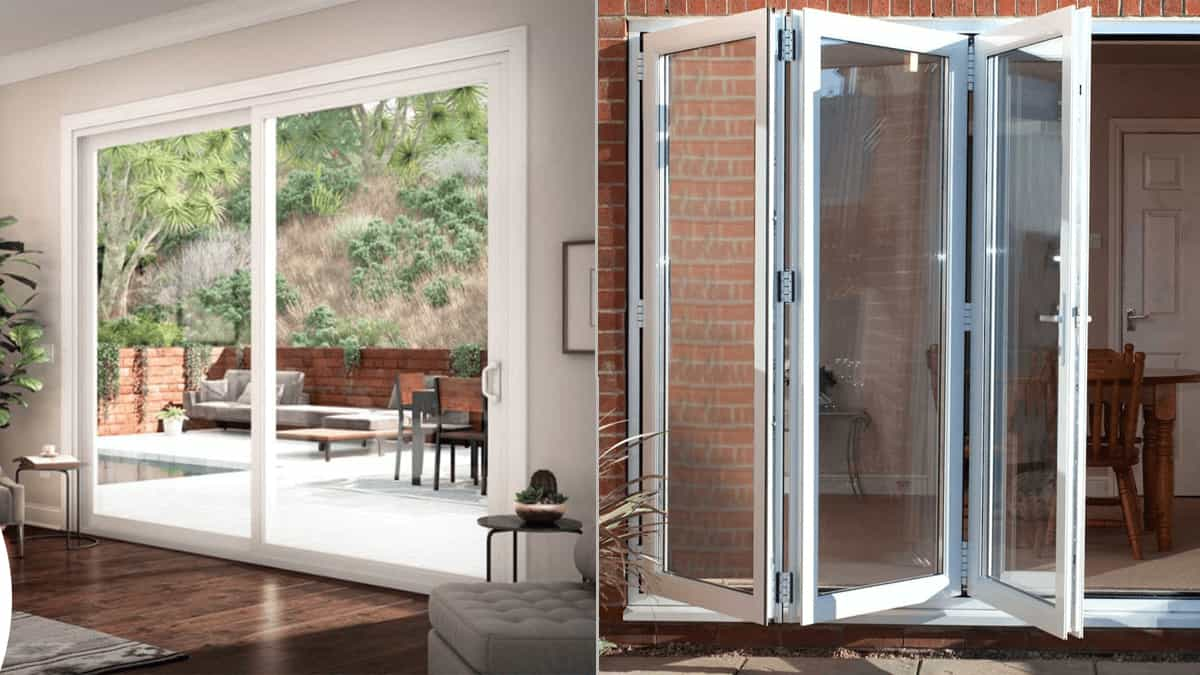
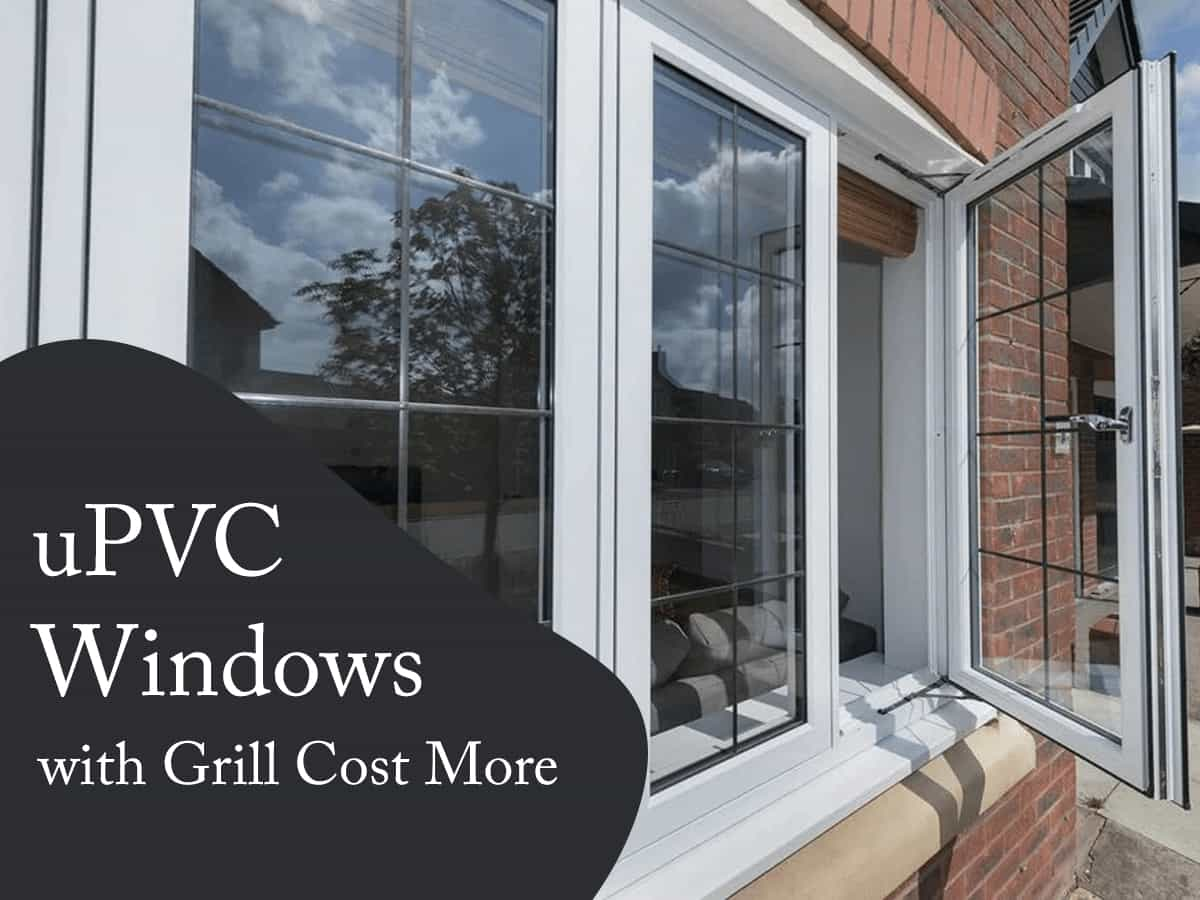
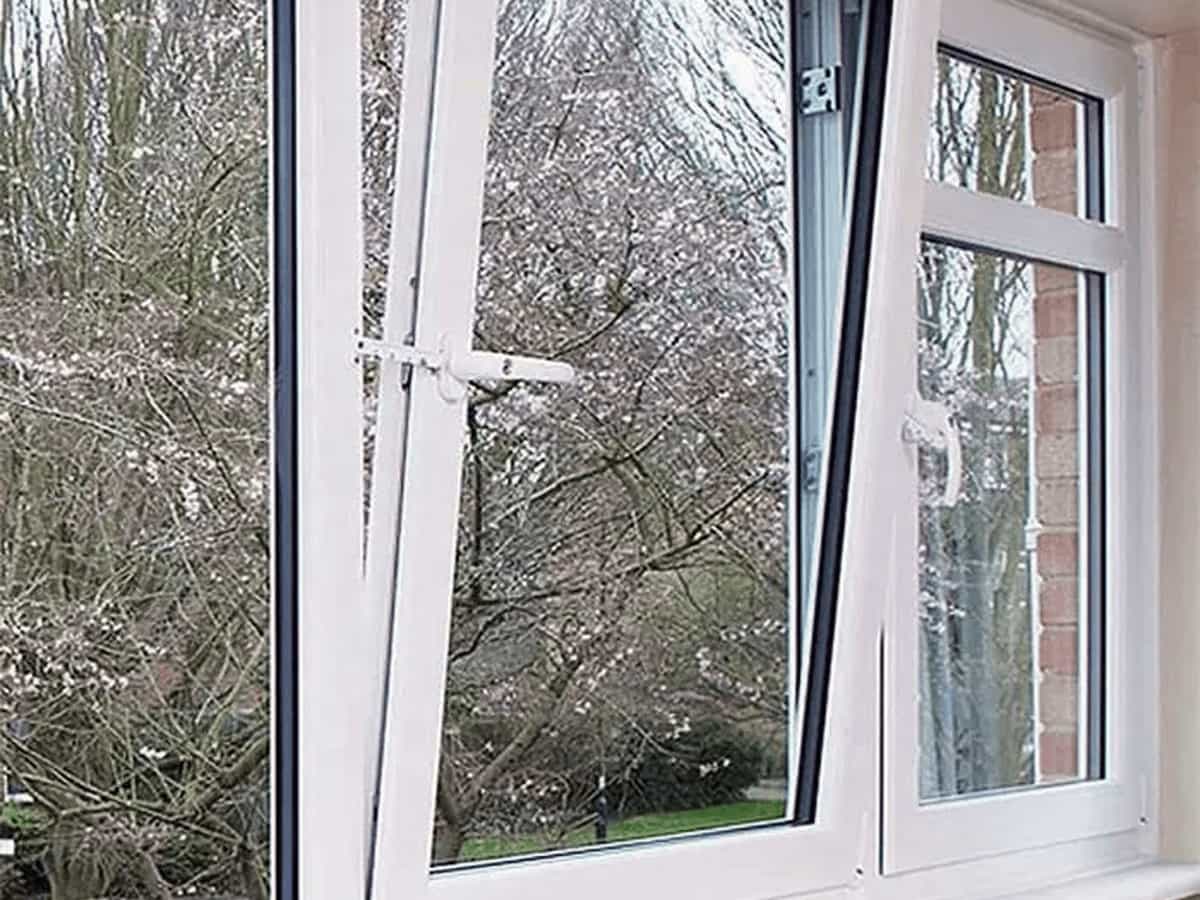
Choosing uPVC doors and windows is a smart step toward a more comfortable, quiet, and cost-effective home. But to truly understand why they are so efficient and how to select the best ones for your needs, you need to speak the language. This guide demystifies the key energy-efficient terms, transforming you from a confused buyer into an informed homeowner.
Why Energy Efficiency in Windows and Doors Matters
Before we dive into the terminology, let’s establish the “why.” Inefficient windows and doors are the primary source of energy loss in a home. They let valuable heat escape in the winter and allow unwanted heat to enter in the summer, forcing your heating and cooling systems to work overtime.
uPVC products, with their advanced engineering, act as a powerful thermal barrier. By understanding the terms below, you can make a choice that leads to:
- Lower Energy Bills: Significantly reduce heating and cooling costs.
- Enhanced Comfort: Eliminate cold drafts and hot spots, maintaining a consistent temperature.
- Environmental Impact: Reduce your carbon footprint by using less energy.
- Noise Reduction: Improved insulation also means a quieter indoor environment.
The Energy-Efficiency Glossary:
Key Terms Decoded
Here are the essential terms you will encounter, explained in plain English with practical takeaways.
1. U-Factor (or U-Value)
- What it is: The rate of heat loss. Think of it as a measure of how well a window or door insulates.
- The Number: Expressed in W/m²K (Watts per square metre Kelvin). Lower is better.
- Practical Takeaway: If you live in a cold climate like the UK, the U-value is your most critical number. A U-value of 1.4 W/m²K or lower is excellent for windows. For comparison, single-glazed windows can have a U-value of 5.0 or higher!
- Why This Matters: A low U-value means less heat escapes your home in the winter, keeping you warmer and saving you money. Learn more about performance in specific climates: The Best Double Glazed Doors for Cold Scottish Homes.
2. Solar Heat Gain Coefficient (SHGC)
- What it is: How much solar radiation (heat from the sun) passes through the glass. Think of it as a measure of how well a window blocks solar heat.
- The Number: Ranges from 0 to 1. Lower is better for reducing heat gain.
- Practical Takeaway:
- Hot Climate: Look for a low SHGC (e.g., 0.3 or less) to keep your home cooler and reduce air conditioning costs.
- Cold Climate: A higher SHGC (e.g., 0.5 or more) can be beneficial to capture free solar heat in the winter (this is called passive solar gain).
- Why This Matters: Balancing U-value and SHGC is key to year-round comfort. uPVC frames work with different glass types to achieve this balance.
3. Low-E Glass (Low Emissivity)
- What it is: A microscopic, invisible coating on the glass that controls heat transfer.
- How it Works: It reflects long-wave infrared heat (the heat from your radiators and your body) back into the room while allowing visible light to pass through. In the summer, it can also reflect external heat away from your home.
- Practical Takeaway: Low-E glass is a non-negotiable feature for high-performance uPVC windows. It dramatically improves the U-value without compromising light.
- Why This Matters: It’s like putting an invisible thermos around your home. For a deeper dive, read: Low-E Glass: Which is Best for uPVC Windows?
4. Glazing (Double vs. Triple)
- What it is: The system of glass panes and the spaces between them.
- Double Glazing: Two panes of glass with a sealed space (typically 12-16mm) filled with dry air or an inert gas like Argon. This is the standard for efficiency.
- Triple Glazing: Three panes of glass with two sealed spaces. This offers superior insulation and noise reduction but at a higher cost and weight.
- Practical Takeaway: For most homes, modern double glazing is perfectly sufficient. Triple glazing is ideal for extremely cold climates or very noisy areas.
- Why This Matters: The air/gas gap is a poor conductor of heat, creating a powerful insulating barrier. Compare your options: Single, Double & Triple Glazing Options for uPVC Windows.
5. Energy Rating (The Window Energy Label)
- What it is: An overall grade, similar to what you see on appliances, that combines U-value, SHGC, and air leakage into a simple A++ to E scale.
- The Grade: A+ or higher is the target for a high-performance window.
- Practical Takeaway: This label is your quick, at-a-glance guide to overall efficiency. Don’t just buy “A-rated”; aim for A+ or A++ where possible.
- Why This Matters: It simplifies the complex data into one easy-to-understand metric, making it easier to compare different products.
6. Insulated Frames & Multi-Chambered Design
- What it is: uPVC frames are not solid; they have internal hollow chambers.
- How it Works: These chambers trap air, creating multiple layers of insulation within the frame itself. This prevents “thermal bridging” – where heat travels directly through the solid material.
- Practical Takeaway: More chambers generally mean better insulation. Look for frames with at least 3-5 chambers.
- Why This Matters: Even the best glass is undermined by a poorly insulated frame. uPVC’s natural thermal resistance, enhanced by its chambered design, makes the entire unit highly efficient. See how it all comes together: How uPVC Windows and Doors Improve Home Energy Efficiency.
7. Weather Sealing
- What it is: The flexible rubber gaskets around the opening sashes and doors.
- How it Works: These seals compress when the window or door is closed, creating an airtight and watertight lock against the elements.
- Practical Takeaway: Check the quality and number of seals. Good uPVC products have multiple, durable seals on both the opening and fixed sides.
- Why This Matters: The best insulation in the world is useless if cold air can whistle through the gaps. Proper sealing is what makes the high-performance glazing and frames work effectively.
Comparison: How uPVC Stacks Up Against Other Materials
| Material | Typical U-Value (Lower is Better) | Insulation Quality | Maintenance |
|---|---|---|---|
| uPVC | 1.0 – 1.6 | Excellent | Low |
| Aluminium (non-thermal break) | 3.0 – 5.5+ | Poor | Low |
| Aluminium (thermal break) | 1.8 – 2.5 | Fair | Low |
| Wood | 1.4 – 2.0 | Good | High |
| Composite | 1.0 – 1.5 | Excellent | Low |
As the table shows, uPVC provides an unbeatable combination of superior insulation and minimal upkeep.
Frequently Asked Questions
1. How much can I really save on my energy bills with uPVC windows?
Savings depend on your existing windows and climate, but households often report savings of £100-£150 per year in the UK by replacing old single-glazed windows with modern A-rated uPVC double glazing.
2. Is triple glazing always better than double glazing?
Not always. For most applications, high-quality double glazing is sufficient and more cost-effective. Triple glazing shines in extreme climates, for homes seeking the utmost in quietness, or for properties aiming for Passivhaus standards.
3. Can I make my old uPVC windows more efficient?
Yes! If your seals are worn, replacing them can stop drafts. You can also upgrade the glass unit to a Low-E, argon-filled one without replacing the entire frame.
4. Are uPVC windows good for both hot and cold climates?
Absolutely. Their versatility comes from the ability to tailor the glass. In hot climates, you pair them with a low SHGC glass, and in cold climates, you prioritise a very low U-value.
5. What’s the difference between U-value and R-value?
They are inverses. U-value measures heat loss (lower is better). R-value measures thermal resistance (higher is better). In the window industry, U-value is the standard metric.
Summary: Knowledge is Power (and Savings)
Walking into a showroom armed with these definitions empowers you to ask the right questions and look beyond the marketing speak. You now know that a quality uPVC window isn’t just about the frame—it’s a system where the U-value, Low-E coatings, multi-chambered profiles, and robust weather seals all work in harmony to protect your comfort and your wallet.
By investing in high-performance uPVC doors and windows, you’re not just buying a product; you’re investing in long-term energy savings, unparalleled comfort, and a greener home for years to come. Ready to explore your options? Start here: UK uPVC Double Glazing Guide: What to Know Before You Buy.