UK Winters Don’t Hit Hard — They Linger
UK winters rarely arrive with drama. Instead, they settle in quietly.
Weeks of cold air, constant dampness, grey skies, and heating that never quite gets a break. Over time, condensation creeps in, rooms feel colder than they should, and energy bills slowly climb.
This is usually when homeowners start questioning their windows — not for looks, but for comfort.
When choosing between aluminium and uPVC windows, the real question isn’t trends or price tags. It’s how each material behaves through long, damp UK winters, day after day.
Why UK Winters Are Hard on Windows
The challenge with UK winters isn’t extreme cold. It’s consistency. Temperatures often hover just above freezing, humidity stays high, and sunlight is limited.
A winter-ready window in the UK needs to:
- Keep warmth inside (look for a low U-value for better heat retention)
- Handle moisture without encouraging damp
- Stay airtight through wind and rain
- Perform consistently over many years
Condensation Comes First — And It Drives Decisions
For many UK homes, condensation is the real enemy. When warm indoor air meets cold window surfaces, moisture forms. Over time, this can lead to water pooling on sills and mould around frames.
The way a window frame handles surface temperature plays a big role here. Understanding condensation is key to choosing a frame that keeps your home dry and healthy.
uPVC Windows in Winter: Reliable and Familiar

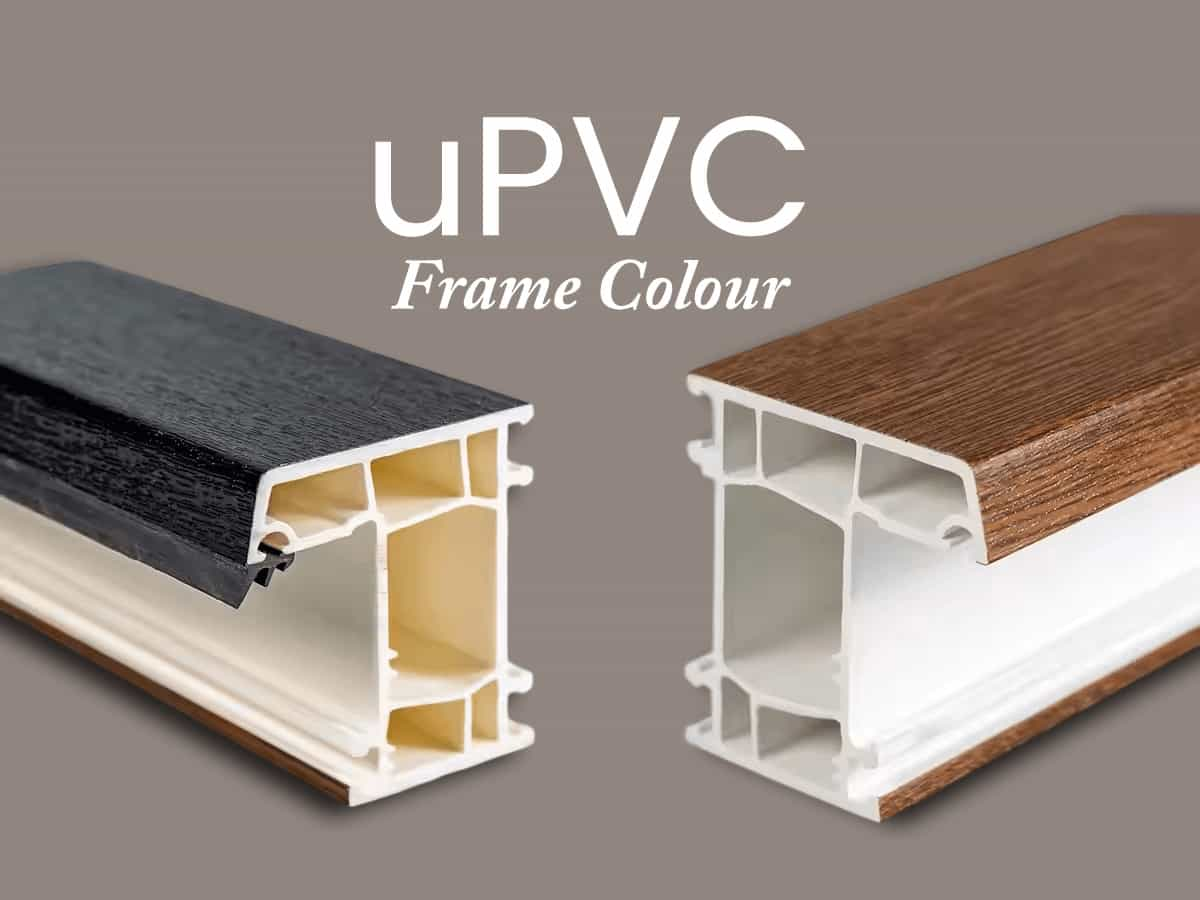
uPVC has become the default choice for UK homes for good reason. Its naturally insulating structure helps reduce heat transfer, making it well-suited to colder months.
Why uPVC works well in winter:
- Frames stay warmer to the touch indoors.
- Condensation risk around frame edges is lower.
- Heat retention is strong even in the coldest regions.
- Costs remain relatively affordable.
Where it falls short:
- Thicker frames reduce glass area—noticeable during darker winter days.
- Long-term ageing can affect appearance over decades.
Aluminium Windows in Winter: Stronger Than Their Reputation

Aluminium once had a reputation for feeling cold, but modern systems use thermal break technology to separate the inner and outer frame.
Why aluminium performs well in UK winters:
- Frames remain stable during long cold periods.
- Slim profiles allow more daylight—valuable during short winter days.
- A high-quality thermal break strip ensures heat loss is well controlled.
- Excellent sealing against wind and driving rain.
What to watch for:
- Non-thermal aluminium performs poorly in winter.
- Higher upfront cost than uPVC.
Heat Loss and Energy Efficiency: What Actually Matters
In real homes, energy efficiency isn’t decided by frame material alone. Performance depends on:
- Glazing quality: Whether you choose double or triple glazing significantly impacts the glass temperature.
- Airtight installation: Poor fitting will undermine even the best material.
- Warm edge spacers: These help keep the edges of the glass warm to prevent moisture.
Where You Live in the UK Makes a Difference
- Midlands & Northern England: Longer cold periods make insulation critical. uPVC performs reliably; aluminium works best with high-quality thermal breaks.
- Coastal Areas: Moisture and salt exposure are constant. uPVC resists corrosion naturally. Aluminium also performs well, provided it has a marine-grade coating to prevent salt pitting.
Cost vs Comfort Over Time
Upfront pricing often drives decisions, but winter comfort is a long-term investment.
- uPVC costs less initially and offers immediate warmth.
- Aluminium costs more upfront but offers a sleeker look and can last 40+ years with minimal care.
Final Take: Which Is Better for UK Winters?
There’s no universal winner.
- Choose uPVC if warmth, affordability, and traditional design matter most.
- Choose thermally broken aluminium if durability, slim frames, and long-term value are priorities.
In UK winters, glazing quality and installation influence comfort more than the frame material itself.
Quiet Truth Most Buyers Miss
The best winter window isn’t defined by material alone—it’s defined by how well the entire system is designed, fitted, and suited to your specific home environment.