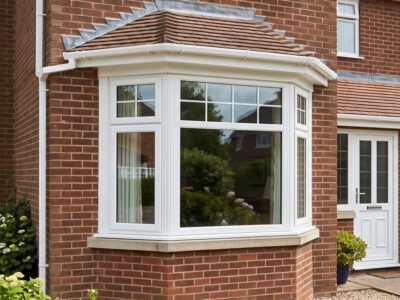
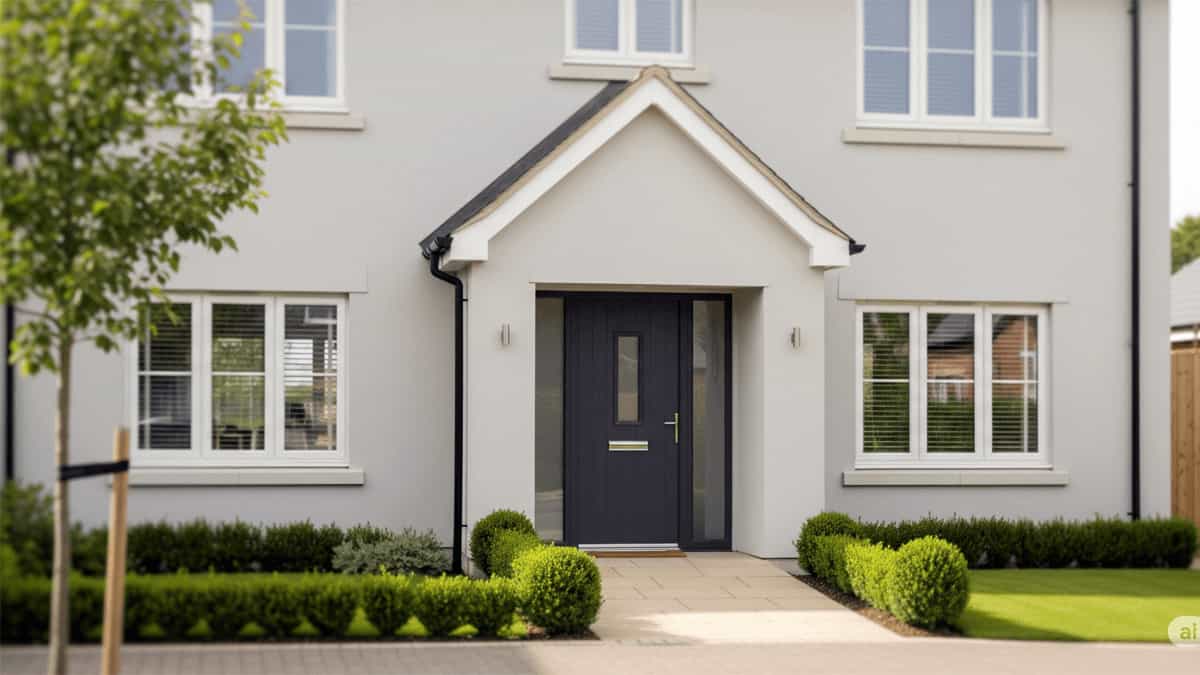
uPVC Wide Awning Windows are designed for better airflow, improved daylight, and a noticeably wider view. Well suited for bedrooms, living rooms, and ventilation-focused spaces, uPVC Wide Awning Windows provide controlled ventilation even during rain with their top-hinged opening design. Reinforced profiles maintain structural stability, while excellent sealing improves insulation and energy efficiency — especially in hot, humid, or variable climates. With proper steel reinforcement and quality friction stays, uPVC Awning Windows ensure smooth operation with minimal maintenance. The clean, modern design enhances both functionality and your home’s overall exterior appearance.
Walk past any modern home and you’ll likely see one—a clean, outward-opening window that quietly does its job without drama. Awning windows have become a favorite for kitchens & bathrooms too. Yet, savvy buyers almost always pause at the same technical crossroads:
- Is uPVC rigid enough for a top-hung load?
- Will the sash “creep” or sag over years of use?
- How does it handle the leverage of heavy double-glazing?
Let’s cut through the marketing fluff and talk about the physics of fenestration. For a broader perspective on window designs, you can also explore the various uPVC window styles, types, and UK design options available today.
The Engineering of the Outward Tilt
An awning window is hinged at the top and opens outward from the bottom. Unlike sliding or side-hung casement systems, the entire sash acts as a canopy.
Why the “Awning” Logic Wins:
- Weather-Shielded Airflow: The sash acts as a glass umbrella, allowing ventilation even during a light rain.
- The Compression Seal: When closed, wind pressure actually pushes the sash against the frame, creating a tighter seal than many sliding systems.
- Space Efficiency: It doesn’t intrude into your living space, making it perfect for over-sink or high-privacy placements.
Structurally, however, awning windows are unique. For a full breakdown of glazing and security, see our guide on top benefits and features of uPVC awning windows.
The Myth of the “Glass Weight” Failure
Here’s the reality most showrooms won’t explain: Glass weight is rarely the culprit behind a failing window.
Modern uPVC is incredibly capable of carrying the vertical load of glass. Even a substantial 1200mm × 900mm (approx. 4 ft×3 ft) panel with 6mm glass only weighs about 16–18 kg.
The real stress factors are:
- Hinge Torque: The leverage applied to the top-hung friction stays.
- Sash Torsion: The “twist” that occurs if the window is opened unevenly.
- Wind Load: The “sail effect” when a wide awning window catches a gust.
“Frame failures rarely start with glass weight — they start with design shortcuts.”
Reinforcement: The “Skeleton” of the System
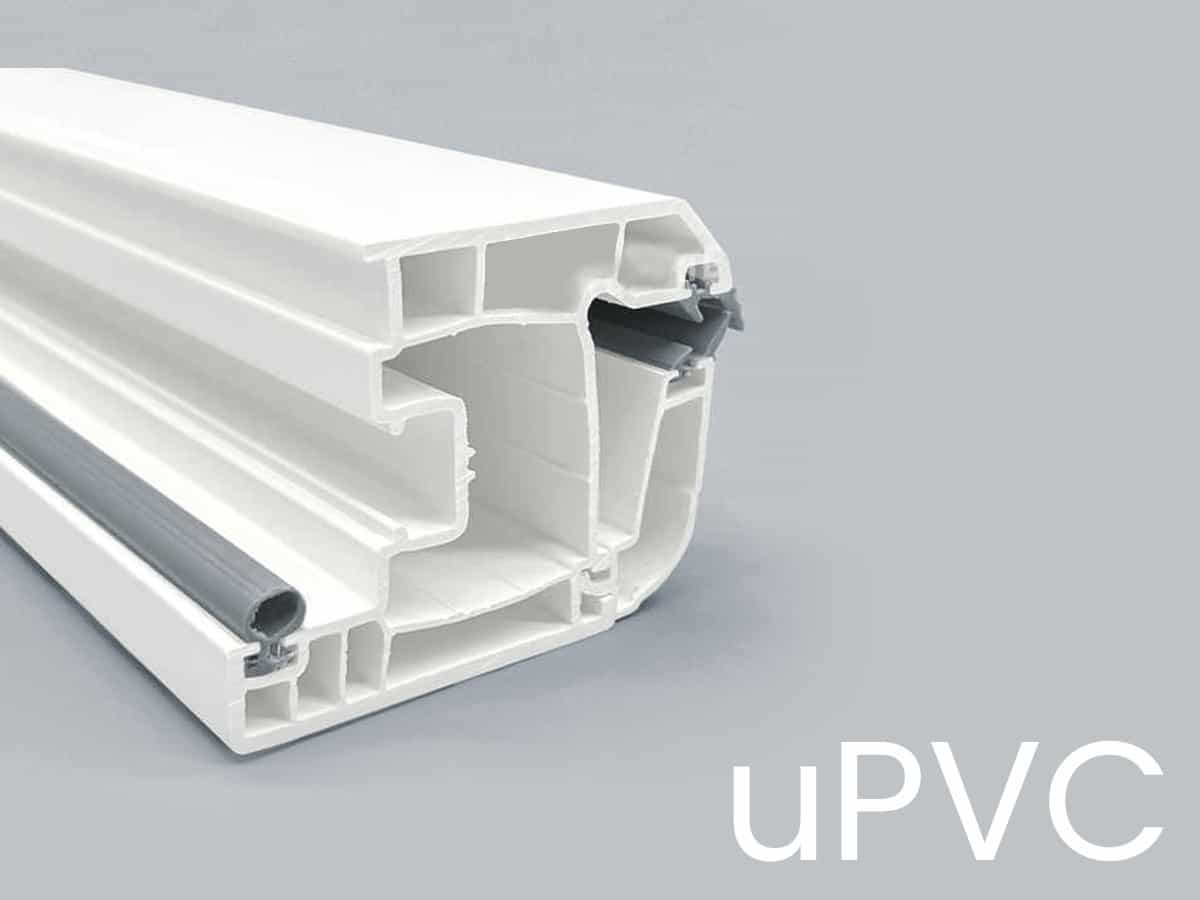
uPVC is a high-performance polymer, but it lacks the inherent bending resistance of metal. This is why Galvanized Iron (GI) steel reinforcement is non-negotiable for awning windows.
Pro Tip: Without internal steel, uPVC is susceptible to “creep”—a slow, permanent deformation under constant weight.
A 10/10 System Always Includes:
- Box-Section Steel: Full chambers of reinforcement, not just “U-channels.”
- Mechanical Fastening: Hardware screwed directly into the steel, not just the plastic.
- Profile Wall Thickness: Class A profiles (minimum 2.8mm wall thickness) for maximum weld strength.
This is a critical distinction when comparing materials, as explored in our analysis of uPVC vs. aluminium frames and double glazing costs.
Hardware: The Silent Failure Point
If your window fails, 90% of the time it’s a hardware failure, not a frame failure. Awning windows live and die by their Friction Stays.
| Feature | Standard Hardware | Premium Hardware |
| Material | Grade 304 Stainless Steel | Grade 316 (Marine Grade) |
| Movement | Standard opening | Controlled friction/Smooth glide |
| Weight Cap | 15–20 kg | Up to 50 kg+ |
| Longevity | 5,000 cycles | 20,000+ cycles |
Red Flags: Jerky movement, a “dropping” sash when halfway open, or uneven gaps at the top corners. Never cheap out on the hinges.
Climate & The “Sun Stress” Factor
Heat causes expansion. In dark-colored uPVC (like Anthracite Grey), surface temperatures can reach $70^\circ\text{C}$ ($158^\circ\text{F}$).
- Hot Climates: Demand “Tropical Grade” UV-stabilized compounds to prevent yellowing or brittleness.
- Cold Climates: Require high-quality EPDM gaskets that stay flexible at sub-zero temperatures to maintain the seal.
For more on protecting your investment, read our guide on protecting uPVC doors and windows from summer sun damage.
Smart Buyer Checklist
Before you sign the contract, ask these three “Expert Level” questions:
- “Is the steel reinforcement continuous or only at the hardware points?”
- “What is the weight rating of the friction stays relative to this glass size?”
- “Are you using EPDM or TPE gaskets for the weather seal?”
If the salesperson hesitates, you’re looking at a budget build. Understanding these nuances is the first step to longevity. See our common problems in uPVC windows and how to fix them for more.
uPVC awning windows are a brilliant architectural solution—provided they are engineered, not just assembled. If you prioritize a quality profile, thick steel reinforcement, and high-cycle hardware, your windows will easily outlast your mortgage.
If you chase the lowest price? Expect physics to win eventually. 😌💀