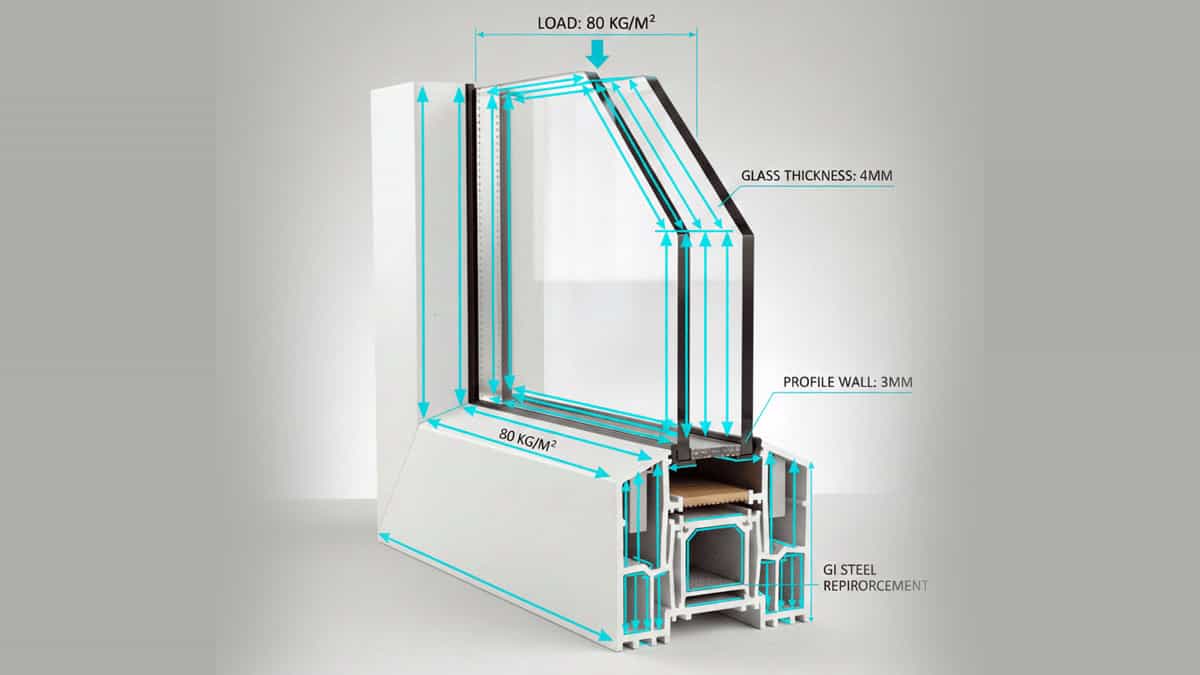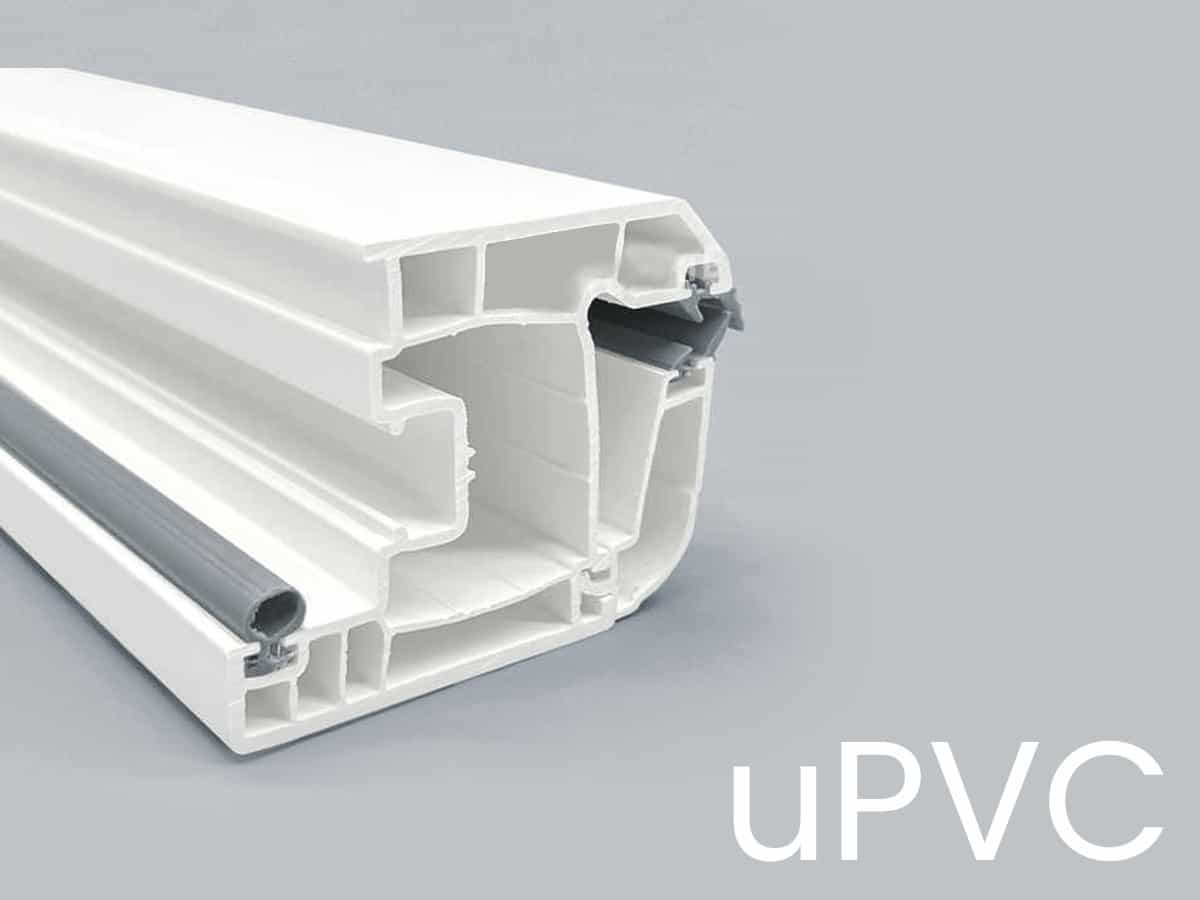
uPVC (Unplasticized Polyvinyl Chloride) is a rigid and durable form of PVC widely used in construction and infrastructure. Unlike flexible PVC, uPVC does not contain added plasticizers during manufacturing. Plasticizers are chemicals used to make plastic soft and flexible. Since uPVC is manufactured without these additives, it remains strong, stable, and structurally reliable — making it suitable for windows, doors, pipes, and other long-term building components.
Its rise in residential and commercial projects is not accidental. Builders prefer it because:
- It resists moisture and corrosion
- It does not rust or attract termites
- It requires minimal maintenance
- It offers long-term cost efficiency
Now let’s look at where it actually appears in everyday life.
Building & Construction Applications
1. uPVC Windows
Modern residential projects frequently use uPVC windows for sliding and casement systems. These frames resist weather damage, do not swell like wood, and do not corrode like metal. When paired with double glazing, they improve thermal insulation and reduce outside noise — making them popular in urban housing.
2. uPVC Doors (Sliding, Casement, French)
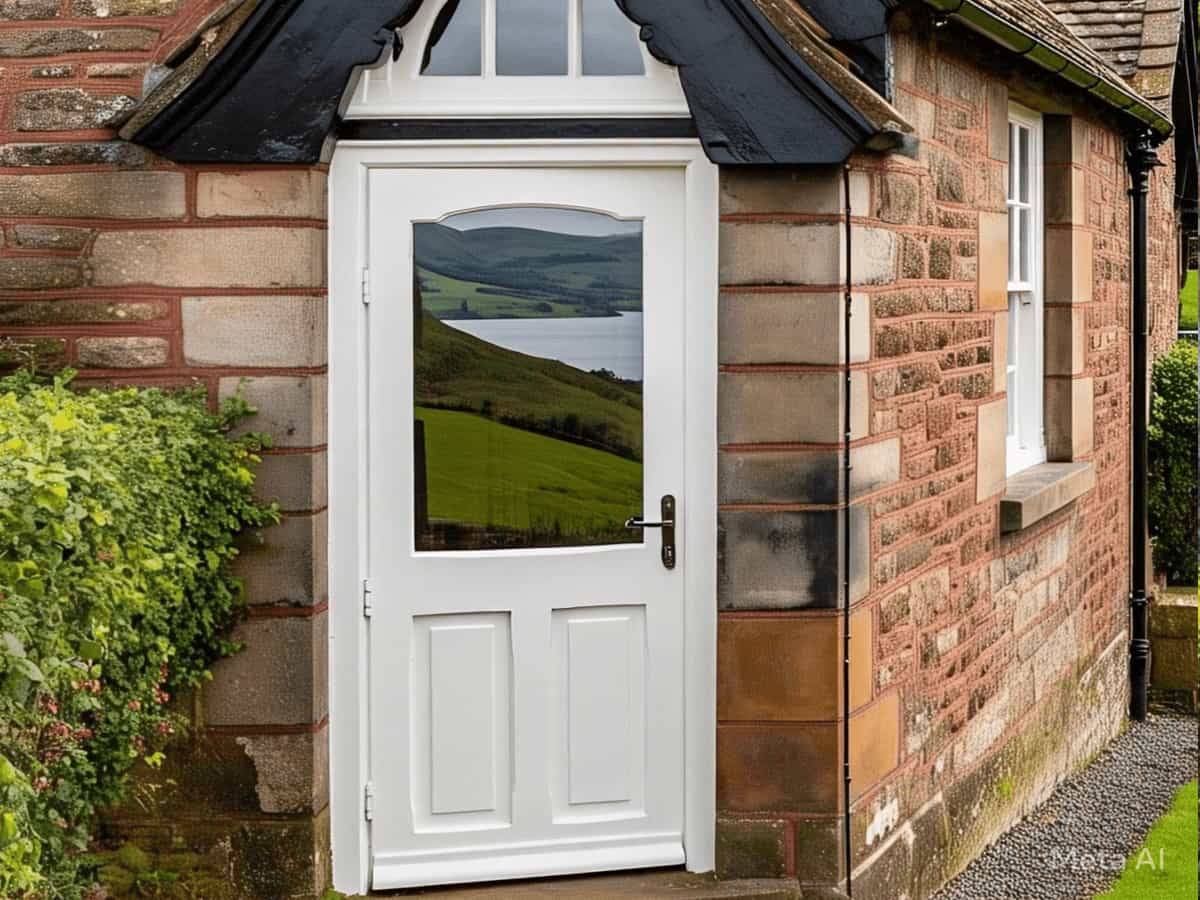
Balcony and terrace doors often use uPVC framing due to moisture resistance and durability. Sliding doors optimize space, while French doors enhance aesthetics. In humid or coastal areas, uPVC performs better than untreated wood or standard steel.
3. uPVC Cladding Panels
Exterior wall cladding in certain residential projects uses uPVC panels to protect surfaces from moisture and weather exposure. These panels offer low maintenance compared to painted surfaces.
Plumbing & Drainage Systems
4. uPVC Water Supply Pipes
Water distribution systems inside homes commonly rely on uPVC pipes. These pipes resist corrosion, reduce scaling, and are lightweight for installation. They are widely used in residential plumbing networks.
5. uPVC Sewer Pipes
Underground sewer networks frequently use uPVC pipes due to their resistance to chemical exposure and soil corrosion. The smooth internal surface minimizes blockages and supports long-term drainage efficiency.
6. uPVC Wastewater Pipes
Greywater from bathrooms and kitchens flows through uPVC drainage pipes. Their moisture resistance and durability make them suitable for continuous water exposure.
7. uPVC Column Pipes (Borewells)
In borewell systems, uPVC column pipes are used to lift groundwater. They are lighter than metal alternatives and resistant to corrosion caused by mineral-rich water.
8. uPVC Drainage Channels (Light-Duty)
Surface drainage channels in terraces and pedestrian areas often use uPVC materials. These systems efficiently redirect rainwater in non-heavy-load environments.
Electrical & Cable Management
9. uPVC Electrical Conduits
Electrical wiring inside walls is typically protected by uPVC conduits. These pipes safeguard cables from moisture and mechanical damage, ensuring safe wiring systems.
10. uPVC Cable Trunking
Offices and commercial buildings use surface-mounted uPVC trunking to organize visible cables. The material is lightweight, corrosion-resistant, and easy to maintain.
11. uPVC Cable Trays
In semi-industrial and commercial environments, uPVC cable trays help manage structured wiring systems while resisting environmental exposure.
Interior Applications
12. uPVC Wall Panels
Bathrooms and moisture-prone interior areas often use uPVC wall panels. They are termite-resistant, waterproof, and require minimal maintenance compared to wood paneling.
13. uPVC Ceiling Panels
False ceilings in kitchens and washrooms sometimes use uPVC panels. These resist humidity and eliminate the need for repainting.
14. uPVC Kitchen Cabinets
Modular kitchens may use uPVC cabinets for moisture resistance and termite protection. They perform well in high-humidity cooking environments.
15. uPVC Wardrobes
Certain ready-made wardrobes utilize uPVC panels for lightweight, low-maintenance storage solutions in damp climates.
16. uPVC Bathroom Partitions
Public restrooms and commercial facilities use uPVC partition systems because they withstand constant moisture and require minimal upkeep.
17. uPVC Shower Enclosures
Shower frames made from uPVC resist rust and swelling under constant water exposure, making them practical for residential bathrooms.
18. uPVC Interior Room Partitions
Offices, clinics, and temporary commercial setups use lightweight uPVC partitions for quick installation and low maintenance interior division.
Outdoor & Utility Applications
19. uPVC Greenhouse Panels
Small agricultural and nursery structures sometimes incorporate uPVC sheets for weather-resistant, light-duty greenhouse construction.
20. uPVC Utility Sheds (Lightweight)
Garden storage sheds made from uPVC panels resist weather exposure and do not require repainting like wooden sheds.
Why uPVC Is Widely Used in Everyday Life
Across all these applications, the material is chosen for consistent reasons:
- High resistance to moisture and corrosion
- Termite-proof properties
- Low maintenance requirements
- Lightweight handling
- Long service life in residential environments
uPVC is not typically used for heavy structural loads. Instead, it dominates areas where durability, weather resistance, and maintenance efficiency are critical.
The Invisible Material Powering Modern Living
uPVC is not a visible luxury feature — it is a functional backbone of modern buildings. From water supply systems to windows, interior panels to cable protection, it supports everyday comfort and infrastructure reliability.
Understanding its real applications helps homeowners, builders, and buyers make informed material decisions.