You’ve seen it in design magazines: vast, floor-to-ceiling windows that frame the garden like a living painting. It’s the dream. But if you are building or renovating with uPVC, a nagging doubt creeps in. “Is my frame strong enough for that huge sheet of glass?”
There is a persistent myth floating around building forums and coffee mornings that uPVC is just glorified plastic—fine for small bathroom windows, but a structural gamble when the glass gets heavy. Homeowners worry that over time, the weight will cause the frame to sag, the mechanism to jam, or the whole structure to buckle.
Let’s cut through the speculation. This article reveals the structural truth about uPVC, glass weight, and why frame failures almost always have nothing to do with the glass itself.
The Biggest Myth About Glass Weight & Frames
The myth is simple: Heavy glass crushes uPVC frames over time.
This belief stems from a misunderstanding of how a window unit functions. It feels logical, doesn’t it? If you put a 100kg weight on a plastic box, the box will deform. However, a uPVC window frame is not a simple plastic box; it is an engineered system designed to distribute specific loads.
The reality is that modern uPVC, when correctly specified and reinforced, is more than capable of handling the weight of large, heavy glass panels. The “plastic” used today is a rigid, durable polymer—unplasticised polyvinyl chloride—that behaves very differently from the flexible plastic of household items. The real secret, however, isn’t just the material; it’s the physics of how the load is managed.
How Glass Load Is Actually Distributed
To understand why frames don’t crush, you have to look at how the window is assembled. The glass does not simply sit on the bottom edge of the frame and press down like a weight on a scale.
In a professionally installed fixed or casement window, the glass is held in place by glazing blocks (also known as packers). These are small, sturdy blocks placed strategically between the glass edge and the frame. They serve two critical purposes:
- They centralize the glass within the frame.
- They transfer the weight of the glass vertically downwards to the solid structural base of the frame, not the screws or the moving parts.
Think of it like a person standing on a platform. The weight transfers through their feet (the glazing blocks) directly to the floor (the frame’s base). The walls around them (the sides of the frame) are just for enclosure and stability, not for bearing the vertical load.
Is uPVC Strong Enough for Fixed Windows?
This is the core question. For fixed glazed units—the large, non-opening picture windows—the structural demands are actually simpler than for opening casements. There are no hinges to support, no mechanisms to keep aligned.
The strength for a fixed light comes from the frame’s ability to resist two distinct forces:
- Compression: Supporting the vertical weight of the glass.
- Deflection: Resisting the lateral pressure of wind.
Standard uPVC profiles are remarkably strong in compression. The vertical members are designed to take the direct downward force of the glass, transferred via the packers, and channel it straight into the floor or the sub-structure of the wall. However, on a very large pane, wind load (the pressure of a storm pushing against the glass) can actually pose a greater risk of bending the frame than the glass’s static weight. This is why steel reinforcement becomes non-negotiable for wide spans—it prevents the frame from bowing inward or outward under wind pressure.
Glass Weight Explained (Without Engineering Jargon)
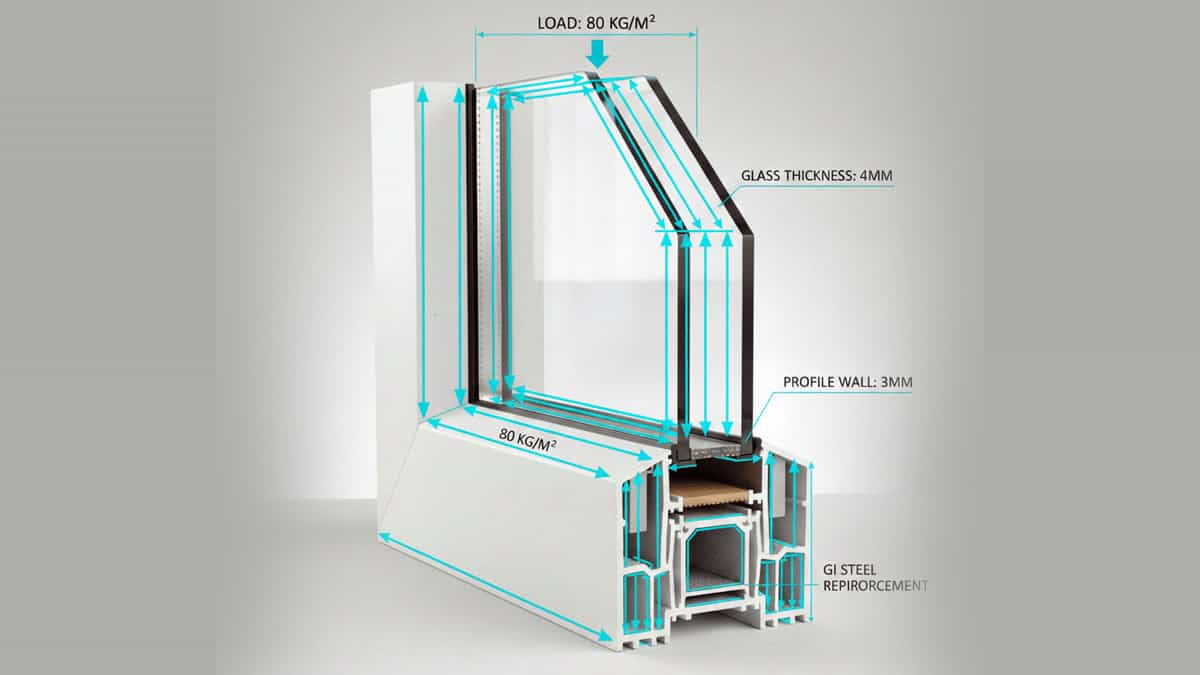
To put your mind at ease, let’s look at the numbers. A standard 4mm thick sheet of glass weighs 10 kg per square meter. Double glazing (e.g., 4mm glass / 16mm gap / 4mm glass) weighs approximately 20-25 kg per square meter. Triple glazing can push this to 30-35 kg per square meter or more.
A large fixed window measuring 2.5m x 2.5m (6.25 sqm) with double glazing will weigh approximately 156 kg.
- Load per meter: That 156 kg is spread across the width of the window. The frame isn’t holding 156 kg on one tiny spot; the load is distributed.
- Comparison: This distributed load is often less than the point load exerted by a person leaning on the sill or the wind pressure during a moderate storm.
For a deeper dive into how different glass types affect performance, you can explore our guide on Single, Double, and Triple Glazed uPVC Windows.
Why Frame Failures Really Happen
If heavy glass isn’t the culprit, what causes a uPVC frame to sag, bow, or for a door to drop? In 99% of cases, it comes down to three factors, none of which are the glass weight alone:
- Lack of Steel Reinforcement: This is the number one structural sin. For any window or door over a certain size, a galvanized steel profile must be inserted into the hollow uPVC chambers. This steel carries the load and prevents twisting.
- Thermal Expansion: uPVC expands and contracts with temperature. If installers don’t leave the correct expansion gaps or use the wrong fixing methods, the frame can bow over time, giving the illusion that the glass is pushing it out of shape.
- Poor Installation: The frame itself is only as good as the wall it’s fixed to. If the wall fixings are insufficient, or the frame isn’t packed perfectly level and plumb, the building’s own movement can distort the frame.
To avoid these pitfalls, it’s crucial to be aware of Common Problems in uPVC Windows and How to Fix Them, many of which stem from these very issues.
Profile Thickness vs Structural Design
When shopping for uPVC, you might hear salespeople boast about “A-Rated profiles” or “70mm systems.” But is a thicker profile always stronger? Not necessarily.
The structural integrity of a uPVC frame is a combination of:
- Wall Thickness: The thickness of the uPVC plastic itself (typically class A or B). Thicker walls (Class A) provide a better base for screws and welds.
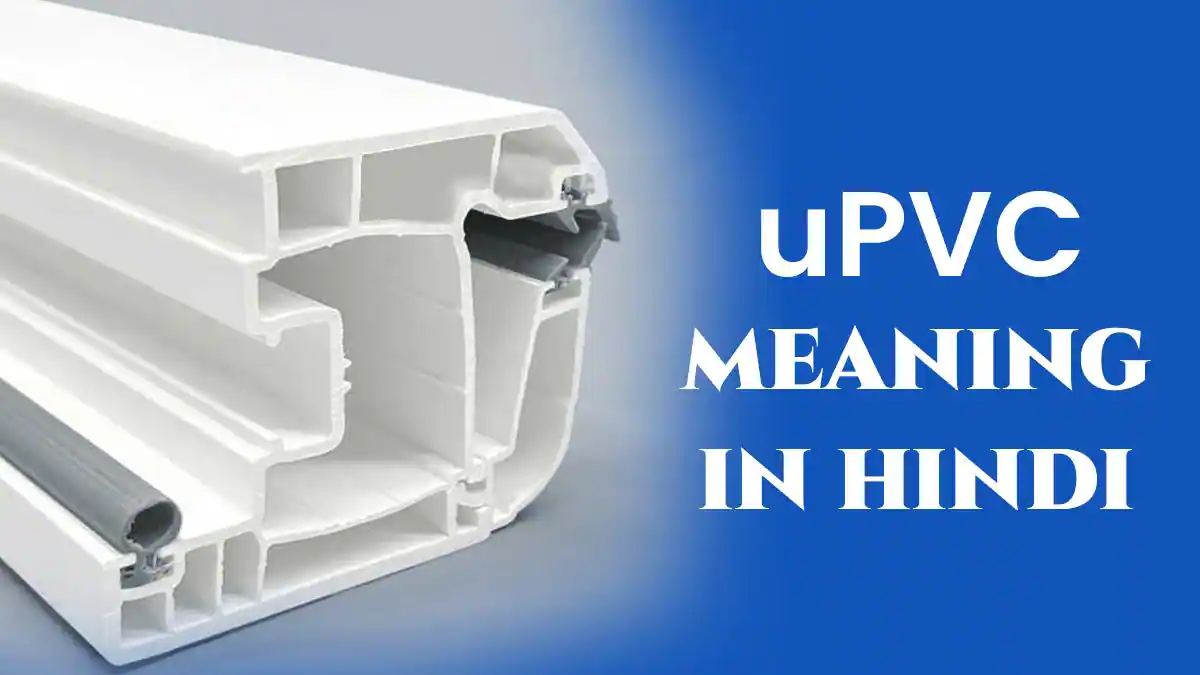
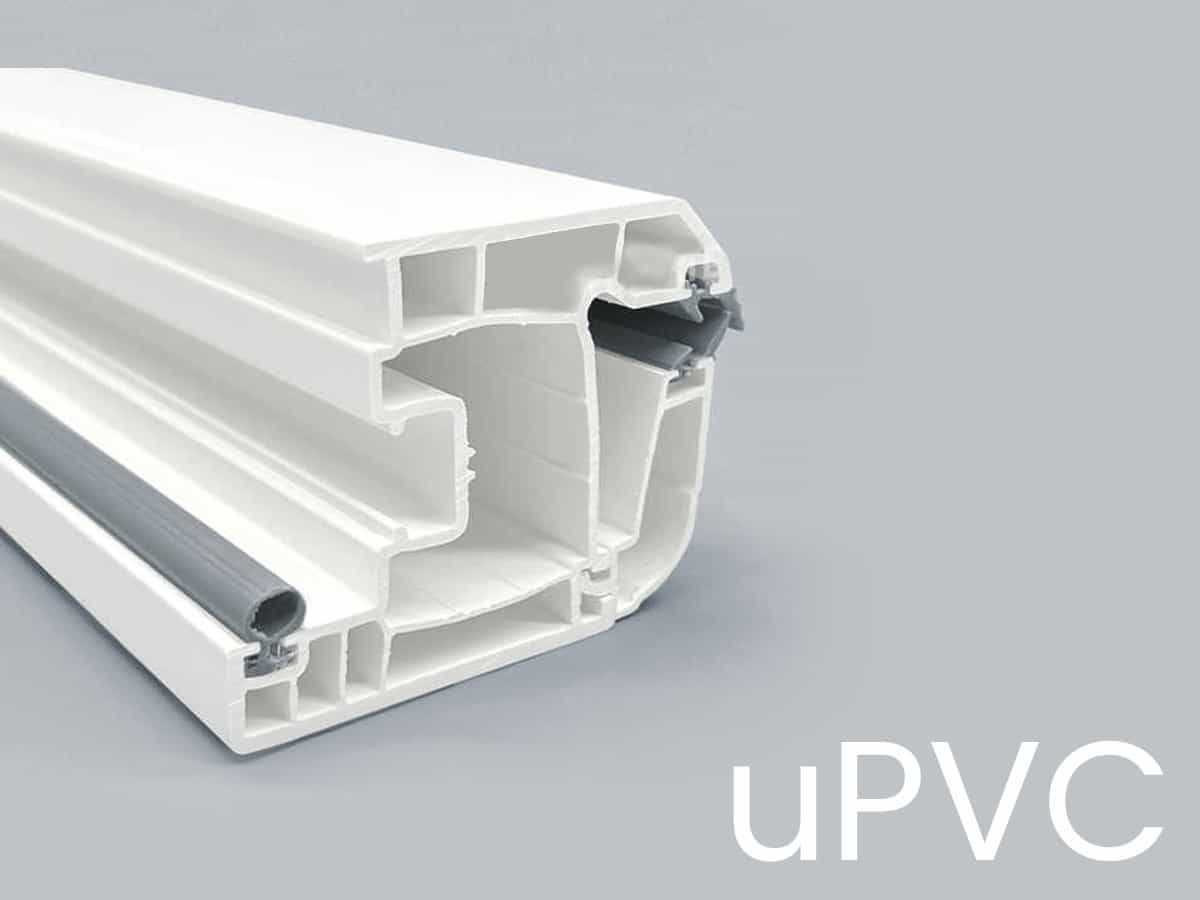
- Chamber Design: The internal webs of plastic that create the hollow chambers. A well-engineered profile with multiple chambers can be stronger than a thicker, poorly designed one.
- Steel Gauge: The thickness and shape of the galvanized steel inside.
A slim, modern “minimal window” profile might look delicate, but it usually contains high-grade, thick steel to achieve its slender aesthetic while maintaining strength. You are buying the system, not just the plastic.
When Reinforcement Becomes Critical
There are clear scenarios where reinforcement isn’t just recommended—it is mandatory.
- Span Width: For any fixed window or opening sash wider than, say, 900mm (approx 3ft), steel reinforcement is standard practice.
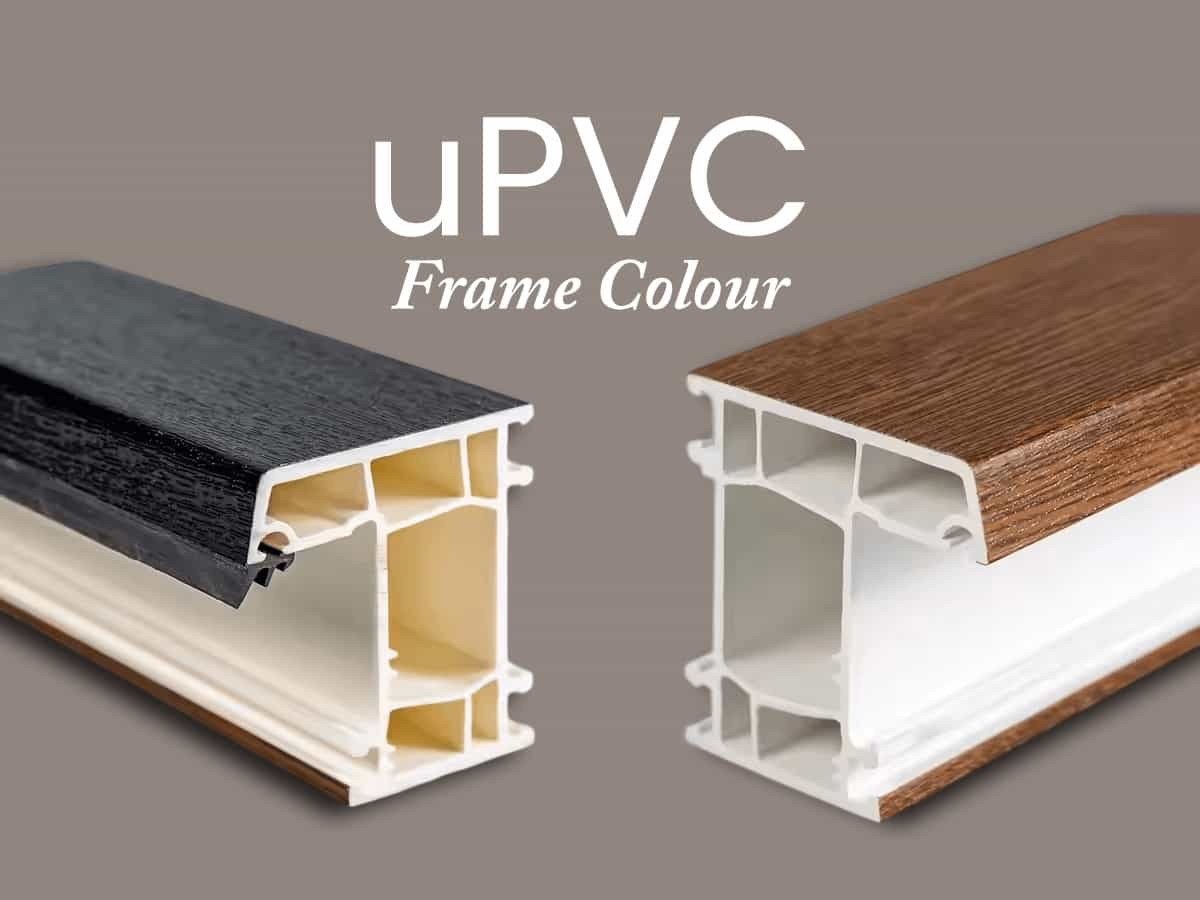
- Colour: Dark frames (grey, black, green) absorb more heat from the sun. This increased temperature fluctuation requires more robust reinforcement and, critically, larger expansion clearance gaps (often 5mm-7mm instead of the standard 3mm) to prevent the bowing that is often mistaken for glass weight. If you are considering aesthetics, check out our article on Grey uPVC Windows to understand the specific considerations for colored profiles.
- Geographic Location: Homes in coastal or high-wind areas face greater wind loads, demanding stronger frame specifications. If you live by the sea, you need to know how to protect your investment, which we cover in our guide on uPVC Windows for Coastal Homes.
Safe Design Guidelines for Fixed uPVC Windows
So, how do you ensure your large, beautiful window is safe? Follow these guidelines:
- Work with a qualified professional. A reputable fabricator or installer will use specialist software to calculate the required profile, steel reinforcement, and glass thickness based on the exact dimensions and location of your window. This is not guesswork.
- Never omit the steel. If an installer suggests skipping steel to save money on a large fixed light, find another installer.
- Ensure correct glazing packers. The installation team must use the correct size and placement of packers to support the glass and transfer the load.
- Check the sightlines. The vertical mullions (the upright posts between multiple fixed panes) must be robust enough to support the combined weight. Sometimes, a structural mullion is required to tie the window back to the building’s structure.
- Understand size limits. Every uPVC system has maximum size limits for safety and performance. It’s vital to know the uPVC Window Size Limits before finalizing your design.
The Real Risk Isn’t Glass — It’s Bad Fabrication
The biggest threat to your dream window isn’t the weight of the glass. It is the quality of the fabrication and installation.
- Bad Fabrication: Corners that aren’t welded perfectly, drainage holes drilled incorrectly, or reinforcement bars cut too short.
- Bad Installation: Relying on expanding foam to hold the frame in place rather than proper mechanical fixings through the frame and into the wall structure.
A poorly fabricated frame can fail with or without heavy glass. A well-fabricated, correctly reinforced frame, installed into a sound structure, will happily hold heavy glass for decades.
Final Verdict: Safe or Structural Gamble?
Verdict: It is safe—provided the engineering is done right.
Choosing a large, fixed uPVC window with heavy glass is not a structural gamble; it is a decision that relies on proven engineering principles. The fear usually comes from a misunderstanding of load distribution or witnessing failures caused by poor workmanship.
When you see a sagging frame, you are likely seeing the result of omitted steel, inadequate expansion gaps, or a bad installation, not a frame crushed by glass. So, go ahead and plan that large picture window. Just ensure you partner with a certified professional who understands that real strength lies in the steel inside and the skill of the hands installing it.